
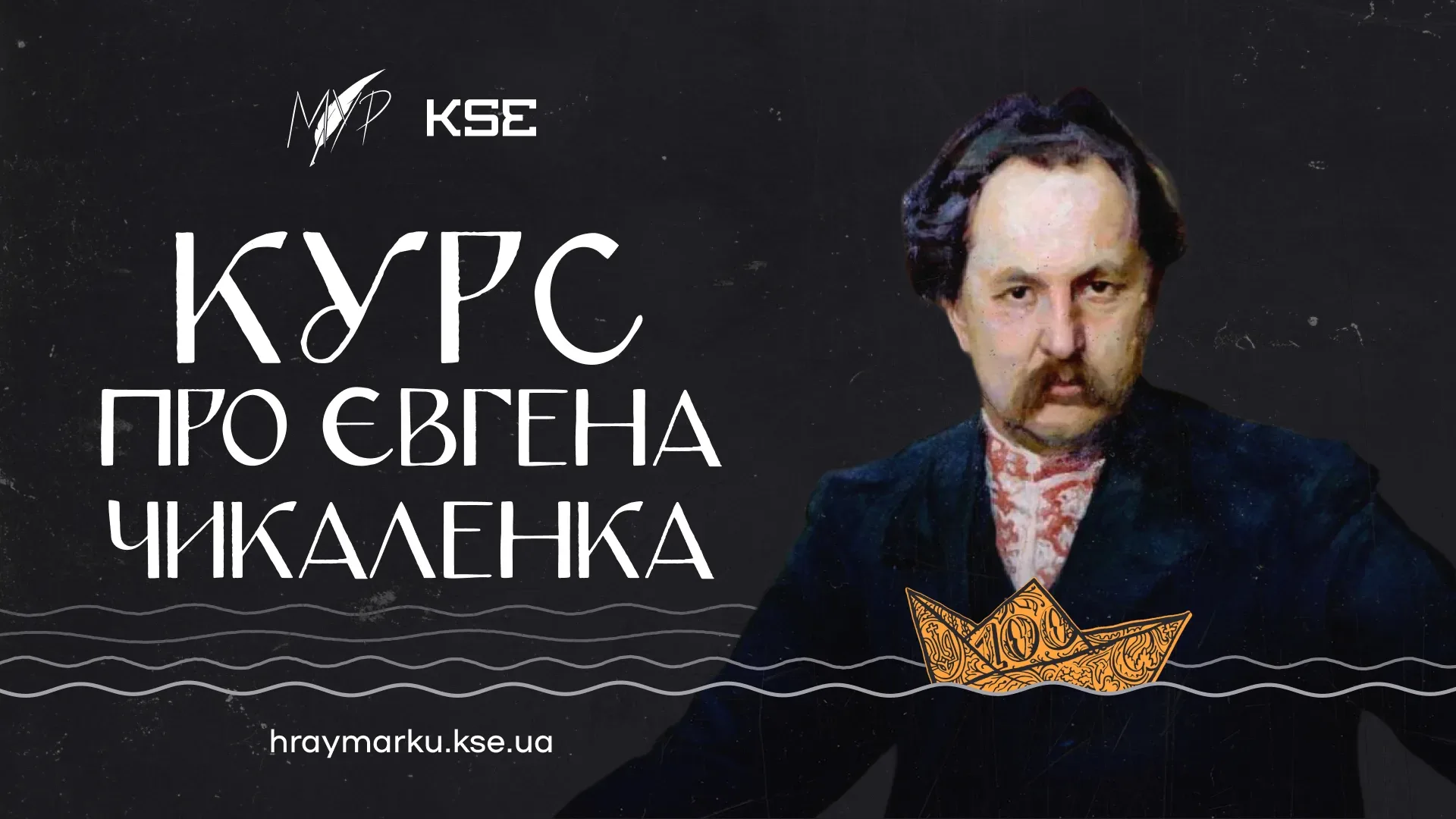
“To love Ukraine to the depth of one’s pocket”: MUR and KSE students launched an online course about Yevhen Chykalenko, who supported Ukrainian culture at his own expense

KSE in Numbers
1996
KSE has evolved from a single master's program in economics into a leading multidisciplinary educational and research institution.
2000+
students and participants at KSE University — across 28 educational programs in 5 faculties.
55%
KSE University students study on grants.
100+
research and consulting projects by KSE Institute for government, business, and international partners.
Education Research
Choose your path at KSE: educational programs, business education, professional courses.
All Programs
Bachelor's, master's, PhD, MBA, professional courses, and continuing education — all in one place.
Learn MoreInsights
Economic and political research, analytics, consulting.
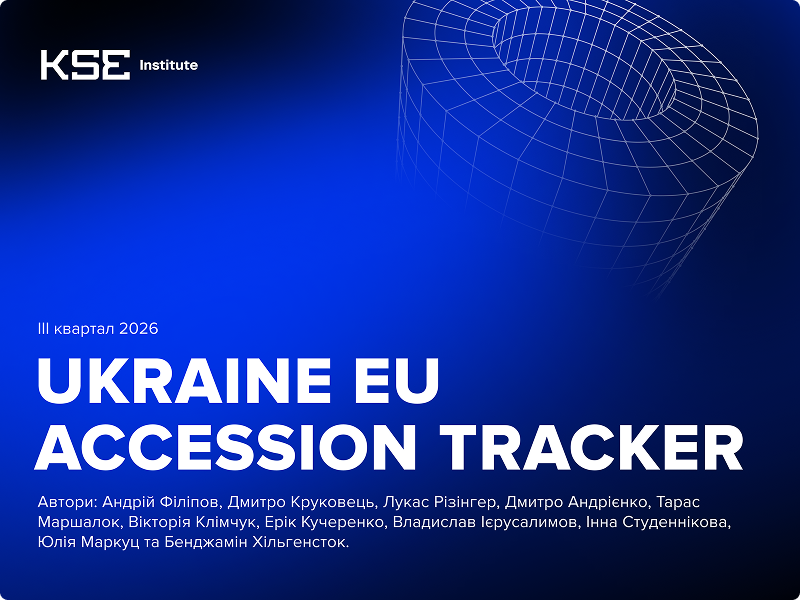
KSE Institute Quarterly Analytical Report
Learn More
Support KSE
Make your contribution to the development of Ukrainian education and science.
KSE Community
KSE is a community that extends far beyond the classroom—into professional connections, joint projects, research, entrepreneurship, and contributions to Ukraine’s development.
Learn MoreWe are supported by
1 000 000 +
Anonymous
Anonymous

Anonymous


Anonymous


500 000 +


Anonymous


Anonymous
100 000 +


Anonymous
Anonymous

Anonymous


Alex Lissitsa
Robert Gibbins
Andriy Nesteruk
Anonymous

Oleksandr Kravchenko

Schulman Foundation
Sergiy Tigipko
Anonymous
50 000 +
Anonymous
Volodymyr Tymochko
Yuriy Gorodnichenko
Dave and Wendy Morgan Foundation
Yegor & Galyna Grygorenko

Misha Rogalskiy
Tymofiy Mylovanov


James Dunn and Kim Goodhard
Yegor Grebennikov
Anonymous
Vitaliy Laptenok

Michael Calvey


Major Historical Benefactors
Founders
Eurasia Foundation
Open Society Institute
The World Bank
and Pew Charitable Trust
Swedish Government
Historical Partners
Victor Pinchuk Foundation
SCM
Vasyl Khmelnytsky

Not Sure Where to Start?
Tell us about your goals — we will help you find what suits you.