
KSE Institute co-organized Kyiv Sanctions Forum 2026, bringing together more than 60 representatives from 22 countries and the EU
15 September 2026
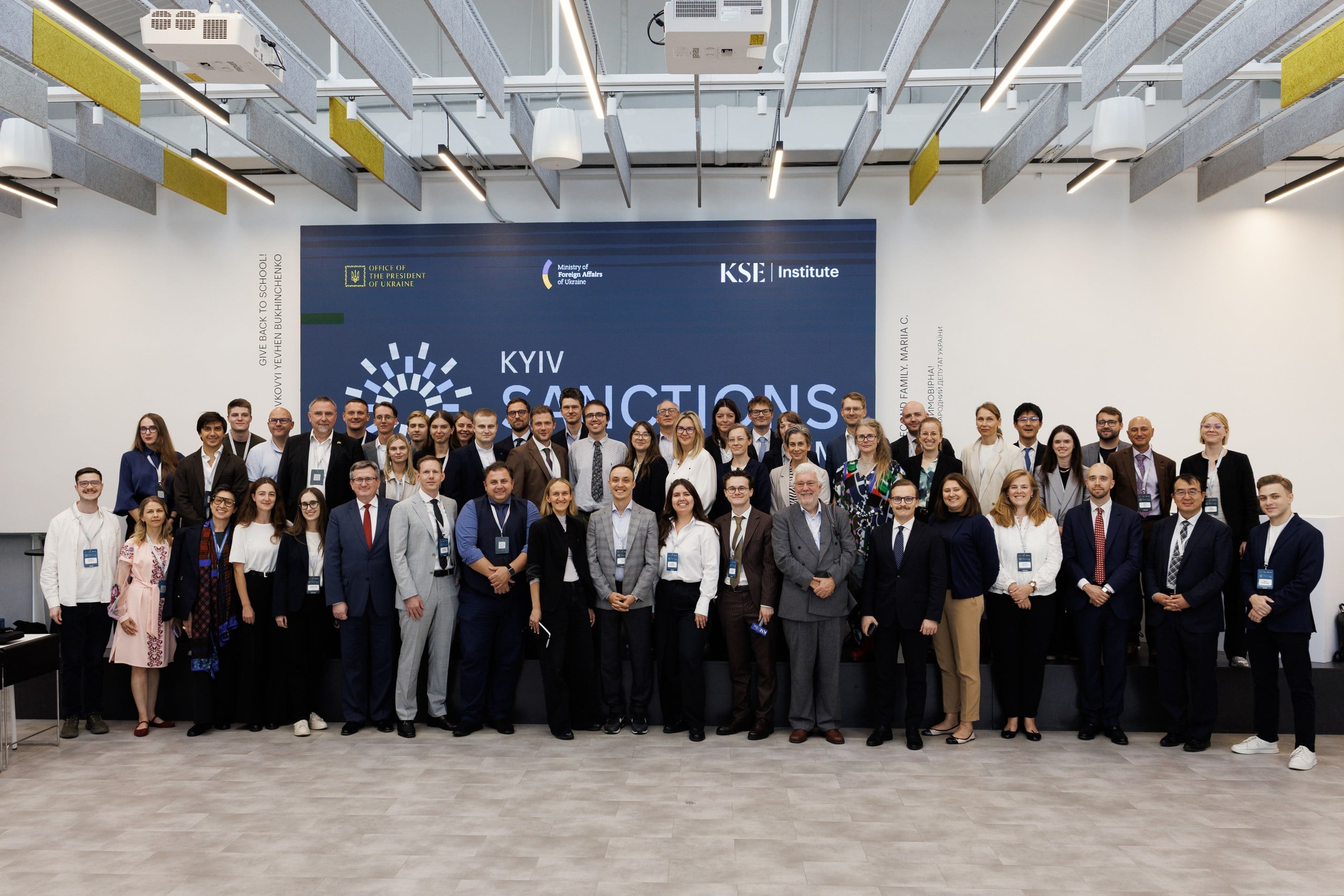
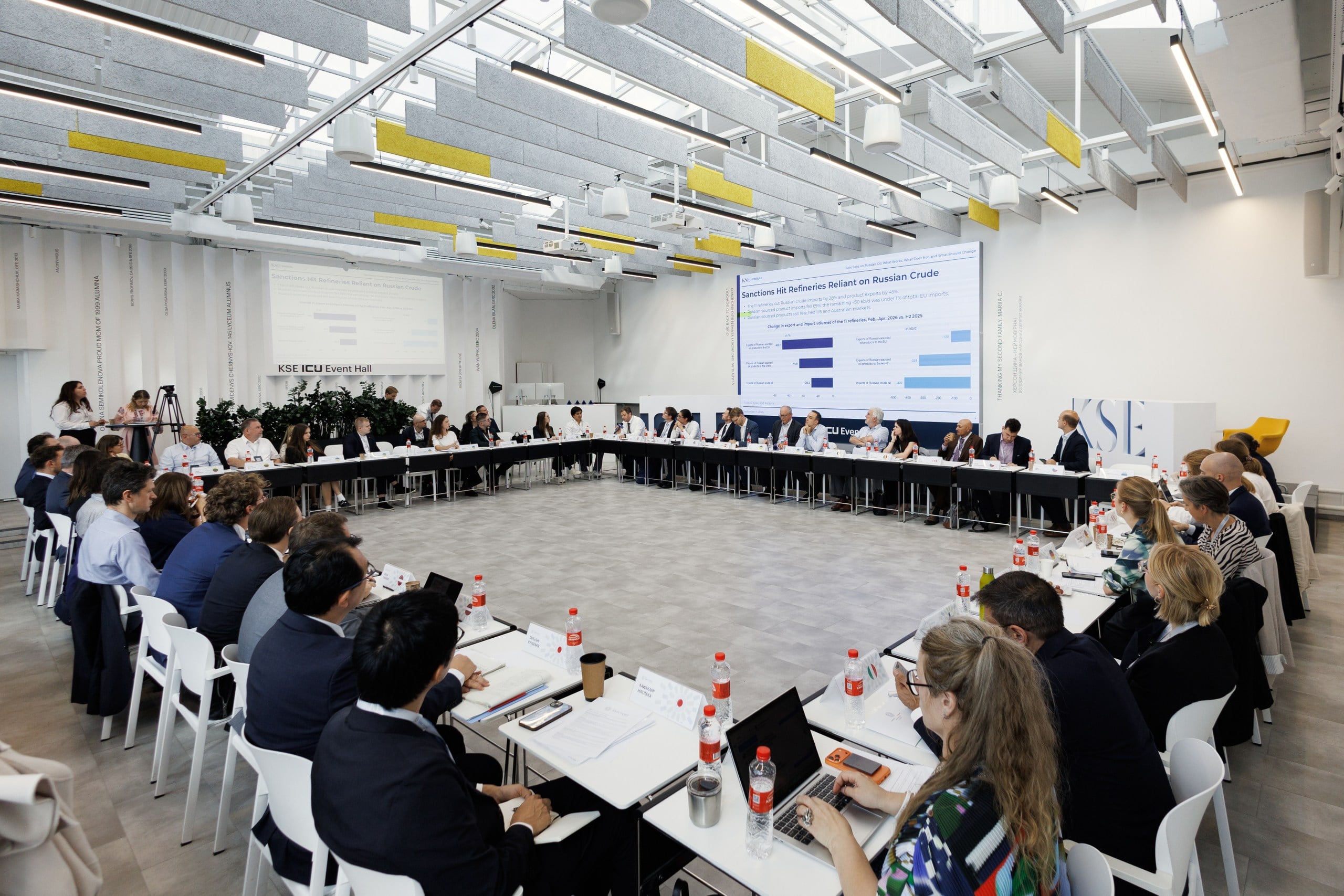
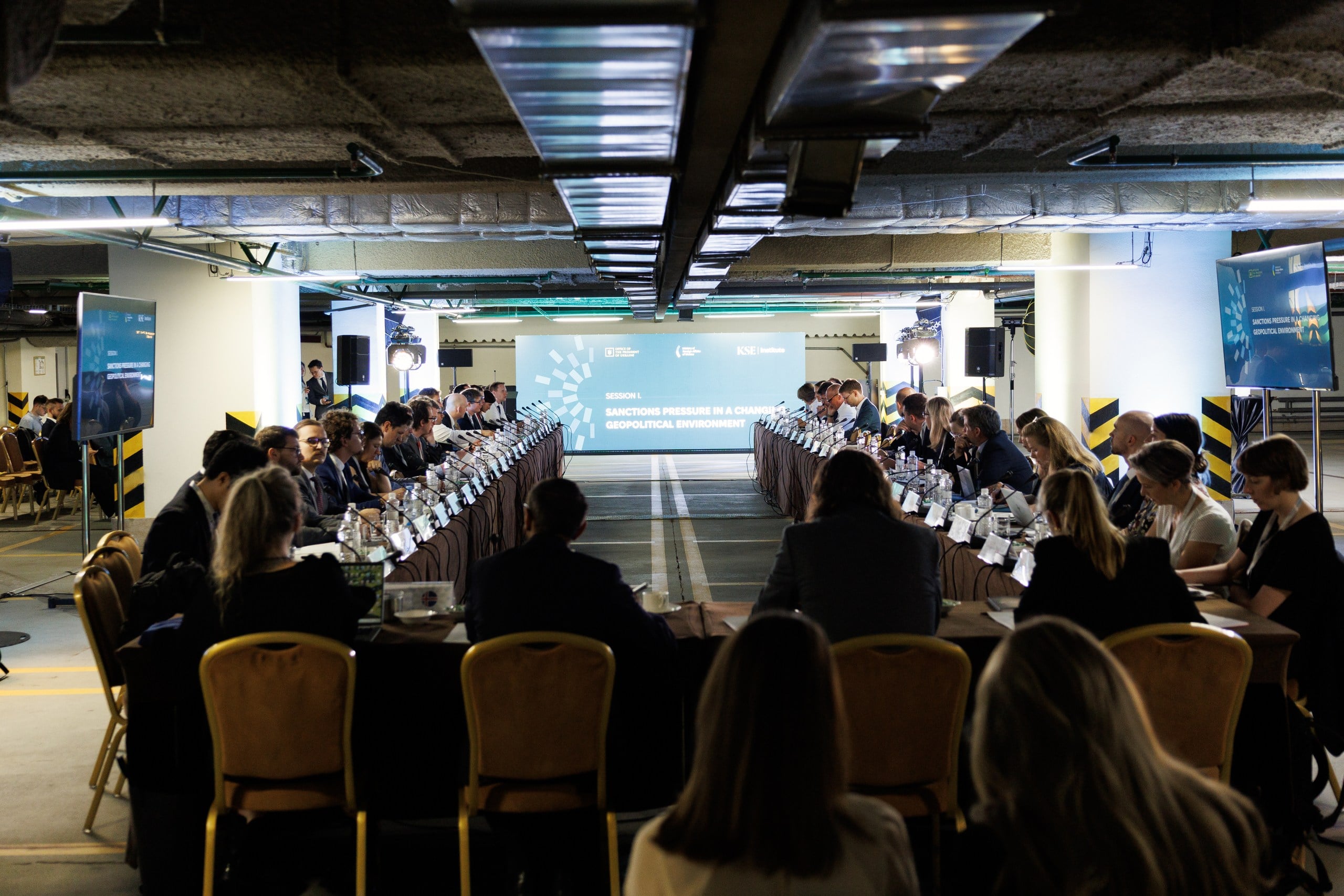
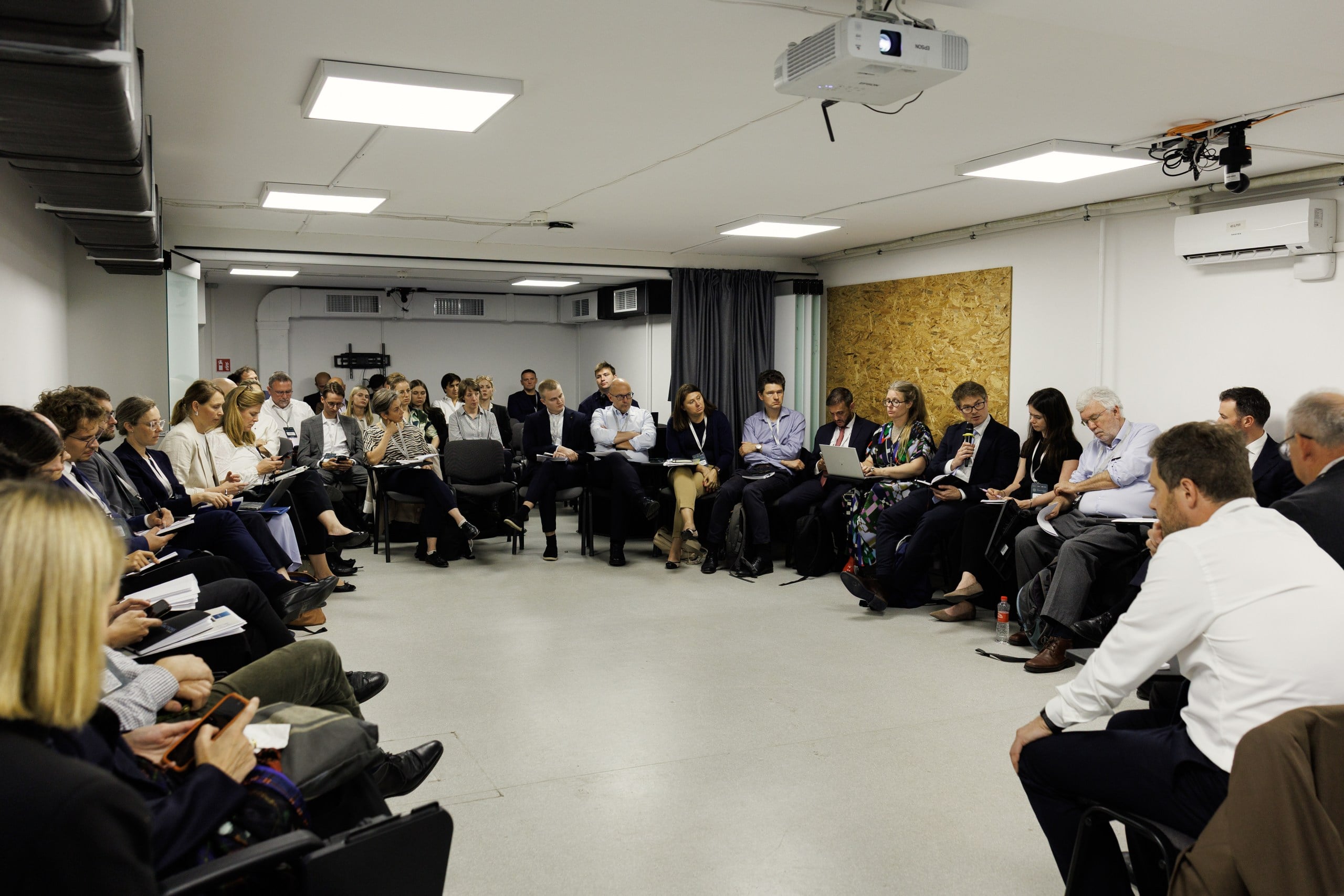
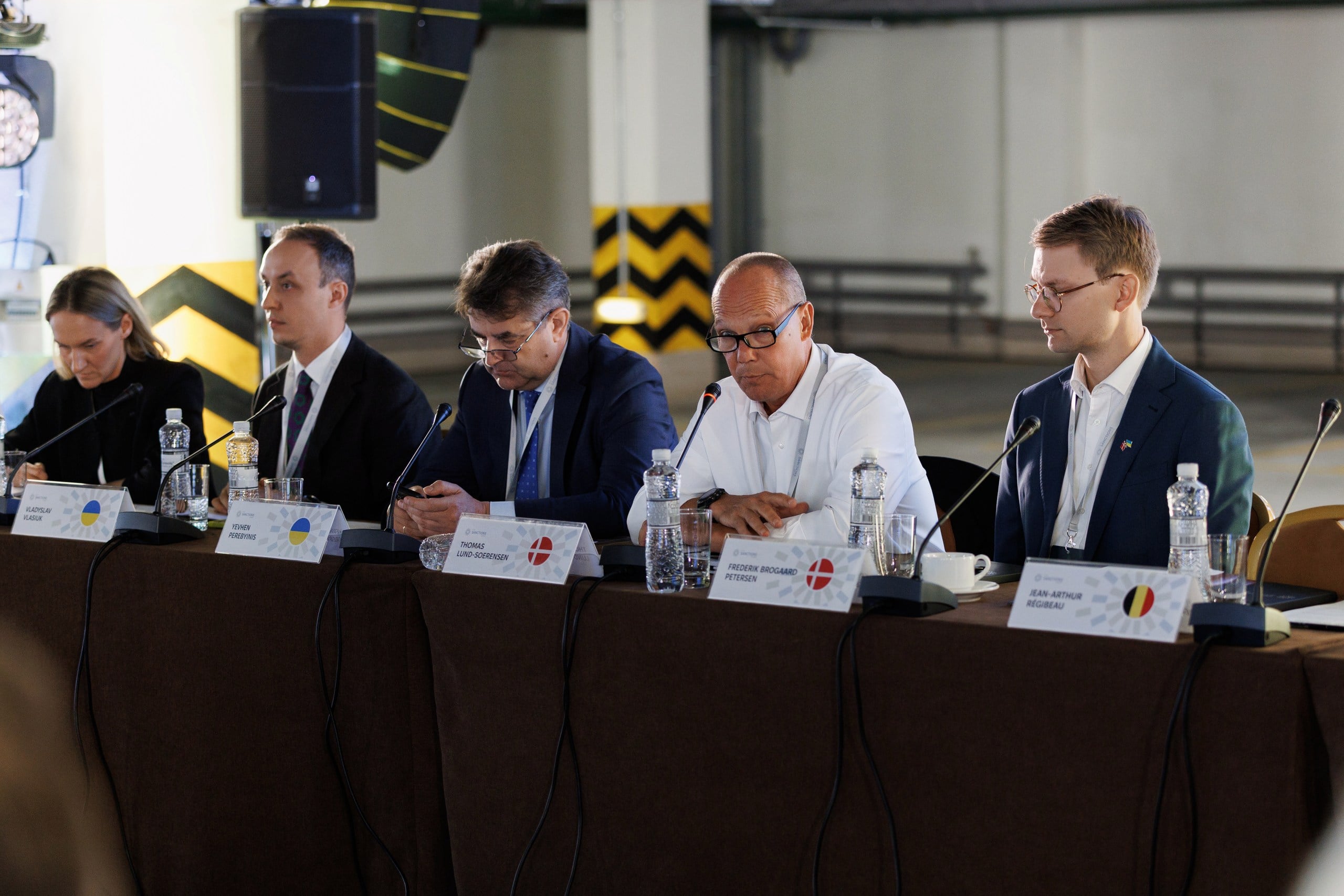
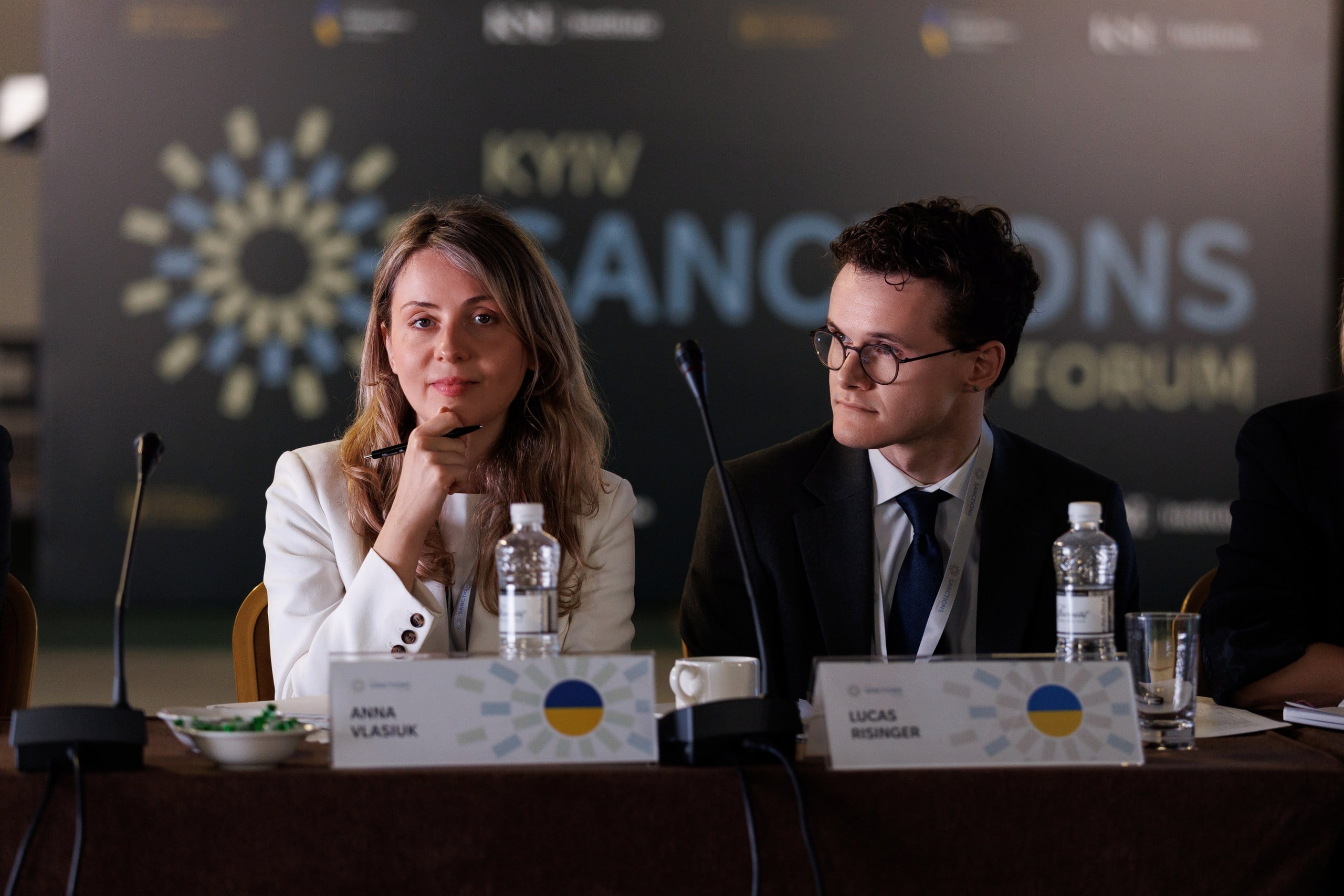
Kyiv Sanctions Forum 2026 took place in Kyiv on September 10-11. More than 60 participants from 22 countries and Ukraine focused on how to increase sanctions pressure on Russia across the energy and financial sectors, maritime logistics, and technology supplies to Russia’s military-industrial complex.
The Forum was organized by the Office of the President of Ukraine, the Ministry of Foreign Affairs of Ukraine, and the Sanctions Hub of Excellence at KSE Institute. The first day was held as a closed-door meeting for sanctions coordinators, senior government officials, and representatives of relevant national authorities. Researchers and civil society organizations joined the Forum on the second day.
Participants included representatives from Belgium, Canada, Czechia, Denmark, Estonia, Finland, France, Germany, Iceland, Ireland, Italy, Japan, Latvia, Lithuania, the Netherlands, Norway, Poland, Romania, Sweden, Ukraine, the United Kingdom, and the United States, as well as representatives of the Delegation of the European Union to Ukraine. The Forum took place in Kyiv despite continued Russian missile and drone attacks on the city.
On the first day, participants assessed the impact of sanctions already in place, focusing on new sanctions-evasion schemes and the next coordinated steps by the sanctions coalition.
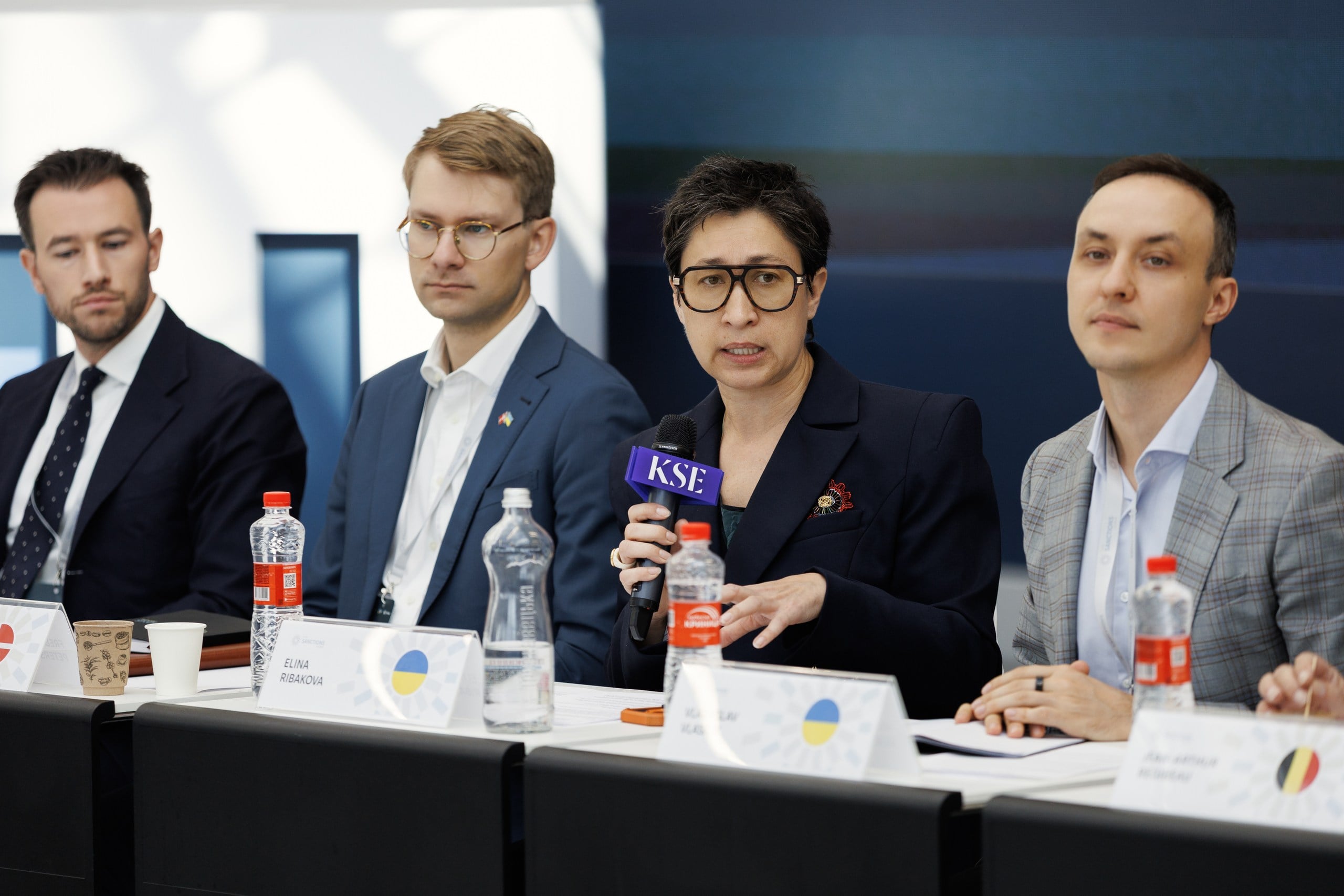
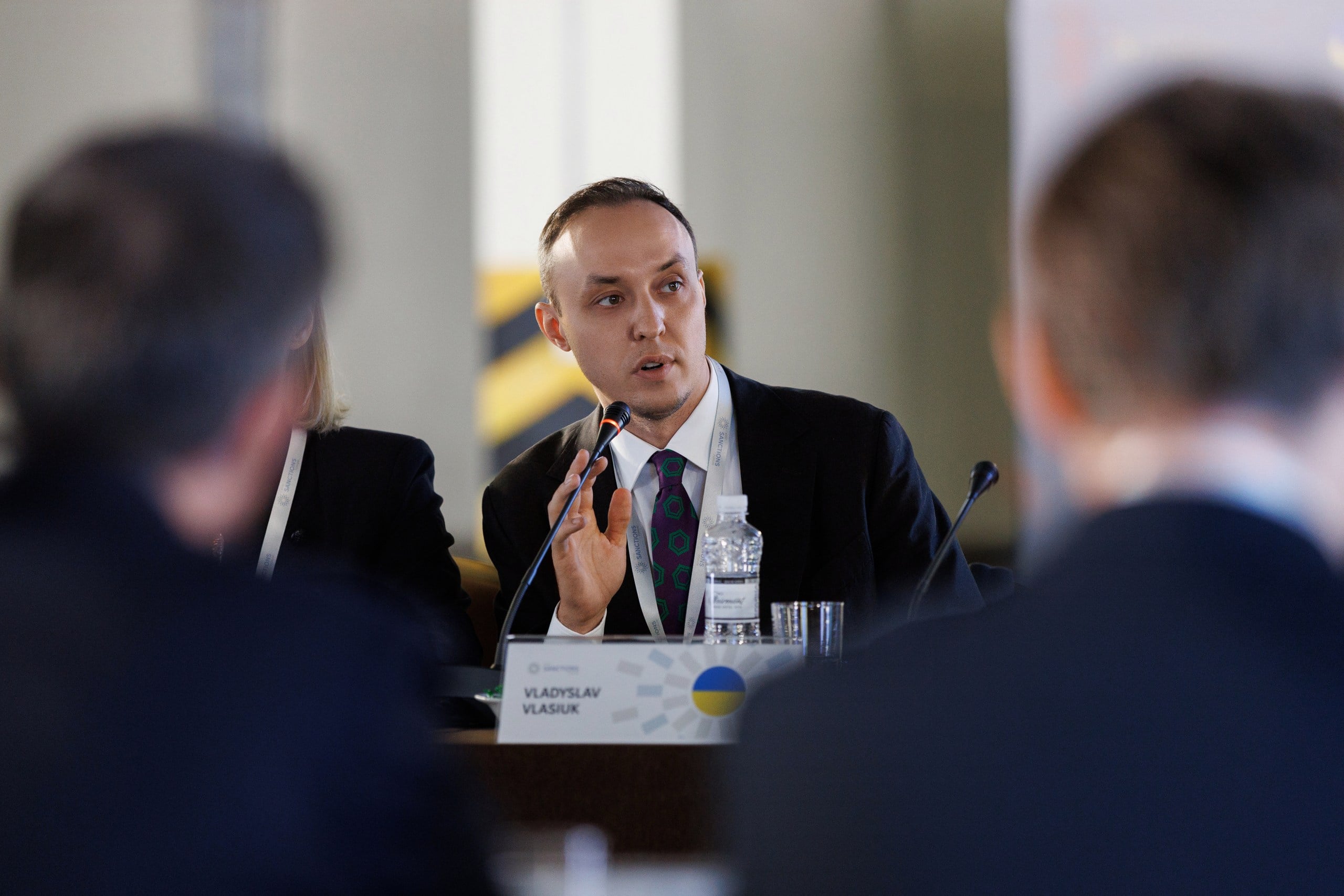
“Russia adapts to sanctions, so every strong measure needs to be followed quickly by the next step. Sanctions against Rosneft and Lukoil showed that such measures can have a real shock effect. We still have other tools available – tariffs, secondary sanctions, and measures against companies in third countries. We need to keep increasing the pressure to shift the balance and force Russia to enter negotiations,” said Vladyslav Vlasiuk, Advisor–Commissioner of the President of Ukraine for Sanctions Policy.
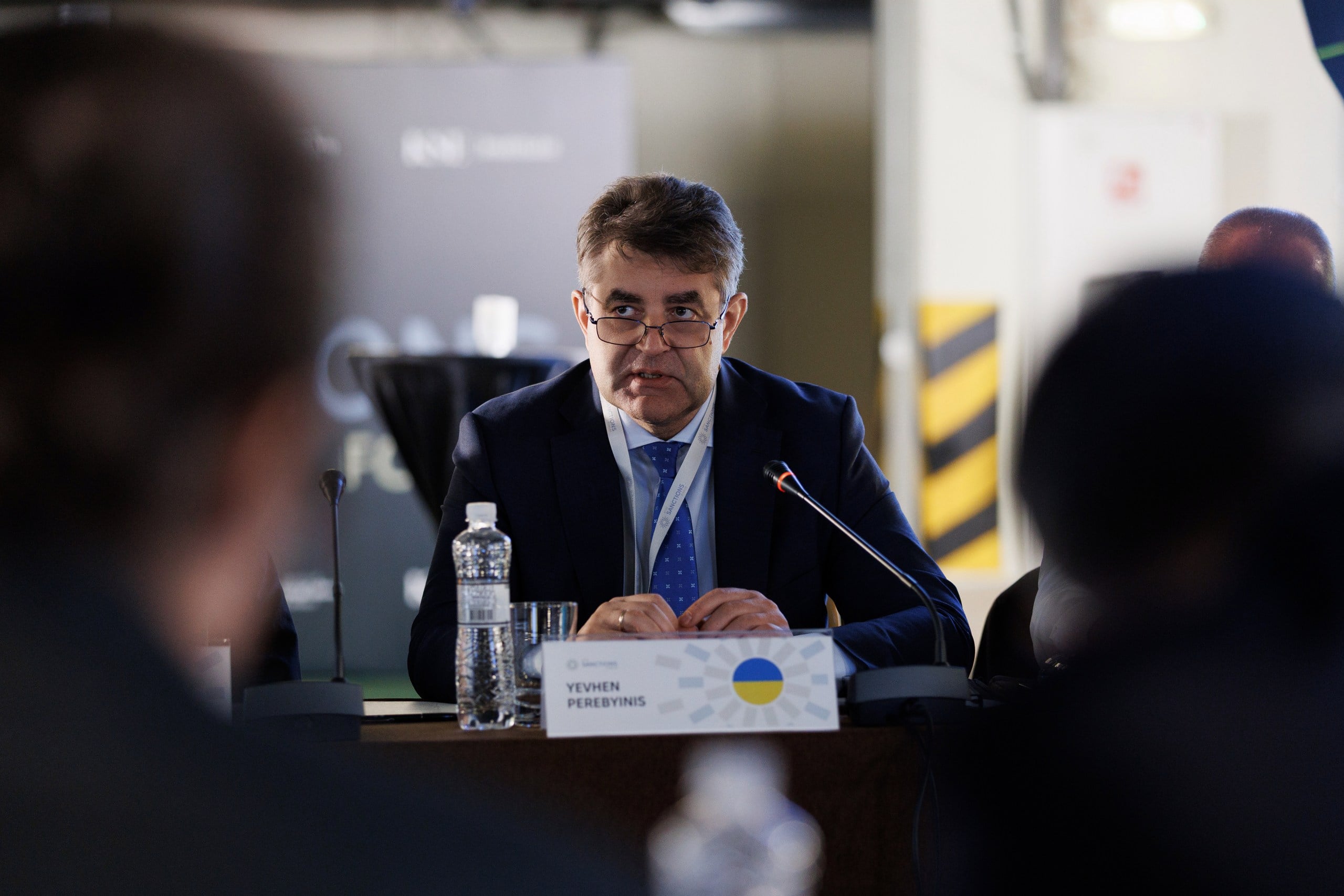
Yevhen Perebyinis, Deputy Minister of Foreign Affairs of Ukraine, outlined the main critical challenges Ukraine faces today, including: the growth of Russian production of ballistic missiles, the continued supply of critical raw materials for the needs of the Russian military-industrial complex, and the circumvention of sanctions. Particular attention was paid to the need to further block the Russian shadow fleet, which finances the war and creates serious environmental and security risks, as well as to counter the latest technological threats, in particular the deployment of the Russian satellite system “Rassvet”.
A special session brought together representatives of the Defence Intelligence of Ukraine, the Foreign Intelligence Service of Ukraine, and the Security Service of Ukraine. Defence Intelligence experts gave participants a detailed overview of the structure of Russian ballistic missile production, critical links in the production network, and the component base, including foreign electronic components used in these missiles. The Foreign Intelligence Service presented its assessment of the impact of sanctions on the aggressor state’s economy, while the Security Service focused on Russia’s shadow fleet and its role in sanctions evasion.
Russia continues to restructure its trade and financial routes, create new companies, and use intermediaries in third countries. A key focus of the Forum was therefore how to shift pressure from individual companies or vessels to the networks that enable sanctions evasion.
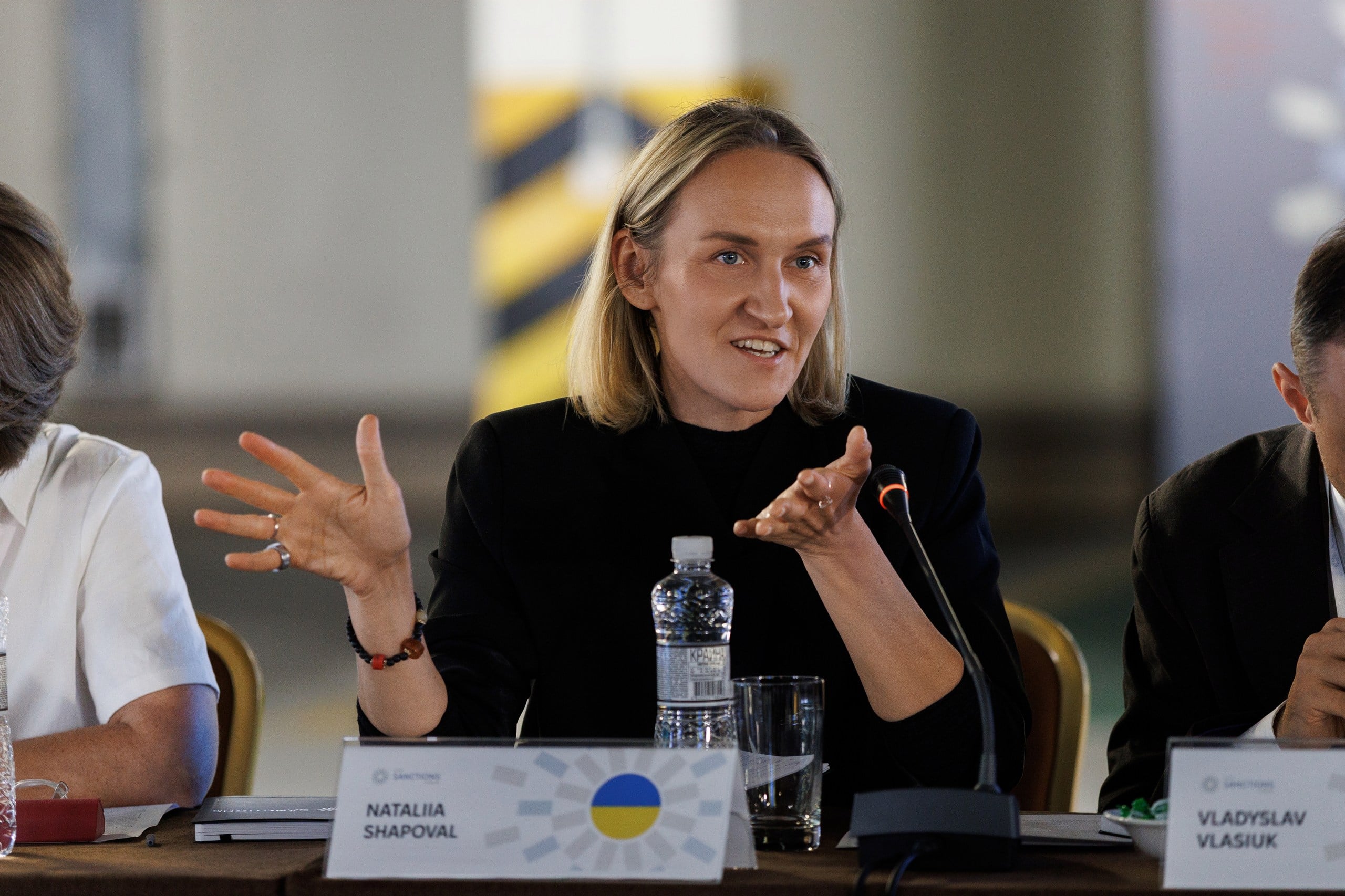
“Just a few years ago, few believed Europe could move away from Russian oil and gas. Since then, sanctions have delivered important results, making the next step with the same level of impact harder to find. At the Forum, we looked at how sanctions now intersect with trade, investment, and technology, and where pressure on Russia can be strengthened further,” said Nataliia Shapoval, President of KSE Institute.
In the discussion on Russian oil and the shadow fleet, participants focused on further increasing pressure not only on individual tankers, but also on traders, insurers, ship operators, brokers, flag registries, and other parts of Russia’s oil logistics network. They also assessed the effectiveness of the oil price cap, gaps in its enforcement, and the option of a broader ban on maritime services for Russian oil shipments. The discussion also covered how to maintain pressure on Russian revenues amid volatility in global energy markets.
On the second day, representatives of StateWatch, Razom We Stand, the Independent Anti-Corruption Commission (NAKO), the Economic Security Council of Ukraine, LexCollective, DiXi Group, Open Society Foundations, and SECTA Research joined the Forum.
Experts from KSE Institute and Open Society Foundations presented assessments of Russia’s financial position and options for increasing economic pressure. Russia’s budget deficit is widening, oil and gas revenues are declining, and the government is increasingly relying on domestic borrowing, Russian banks, and support from the Central Bank. Sanctions have already restricted Russia’s access to external financing and part of its reserves, making the war more expensive to finance.
During the session on energy sanctions, KSE Institute presented an analysis of sanctions on Russian oil, while Razom We Stand presented its analysis of sanctions on Russian LNG. Participants examined the effectiveness of existing restrictions, gaps in enforcement, and options for further pressure on Russia’s energy revenues. Particular attention was paid to Russian LNG exports, which remain dependent on a limited number of specialized vessels, technologies, and services.
During the final panel, the Economic Security Council of Ukraine, StateWatch, and NAKO presented their research. They showed how Russia obtains critical raw materials, emerging technologies, and components for its military-industrial complex, as well as how these supply networks are changing. Russia relies largely on Chinese suppliers, but Western-origin components continue to be found in its weapons. To identify new links in these networks, researchers proposed examining companies’ owners, directors, addresses, and supply histories.
KSE Institute thanks the Forum’s co-organizers, representatives of partner countries, as well as all experts, researchers, and civil society organizations for two days of substantive work and concrete proposals on how to further strengthen sanctions pressure on Russia.
KSE Institute also thanks the Government of Denmark for its institutional support. The Forum was held as part of the activities of the Sanctions Hub of Excellence, which operates within the Center for Geoeconomics and Resilience, established with financial support from Denmark.