
Ministry of Economy of Ukraine, KSE Institute and the EBRD convene investors and businesses in London to advance investment in Ukraine, with the support of the UK Government
25 February 2026

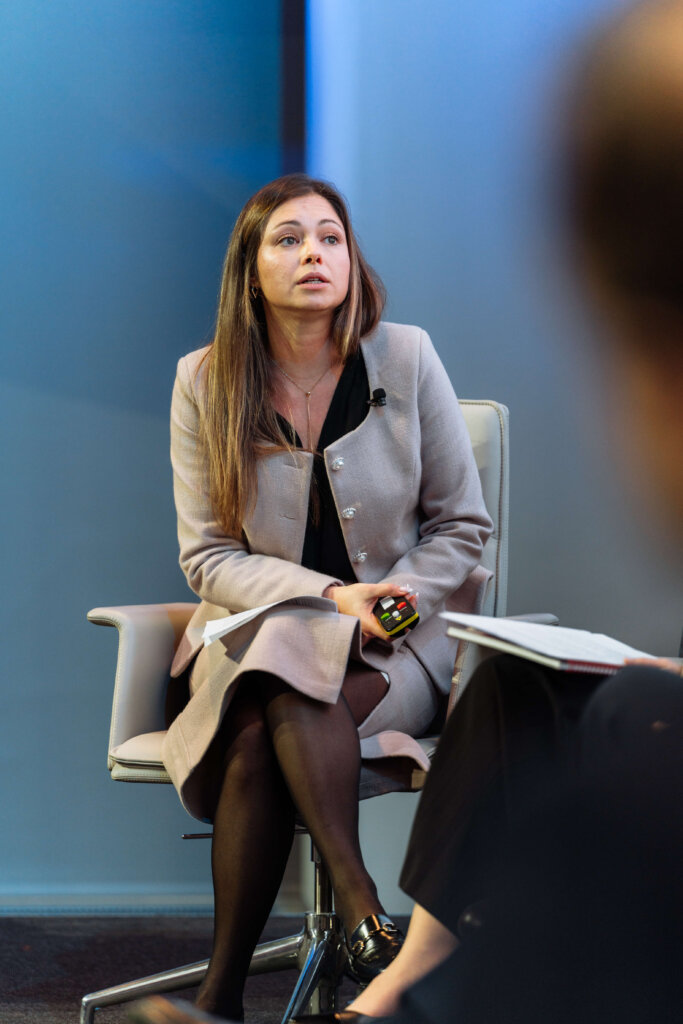
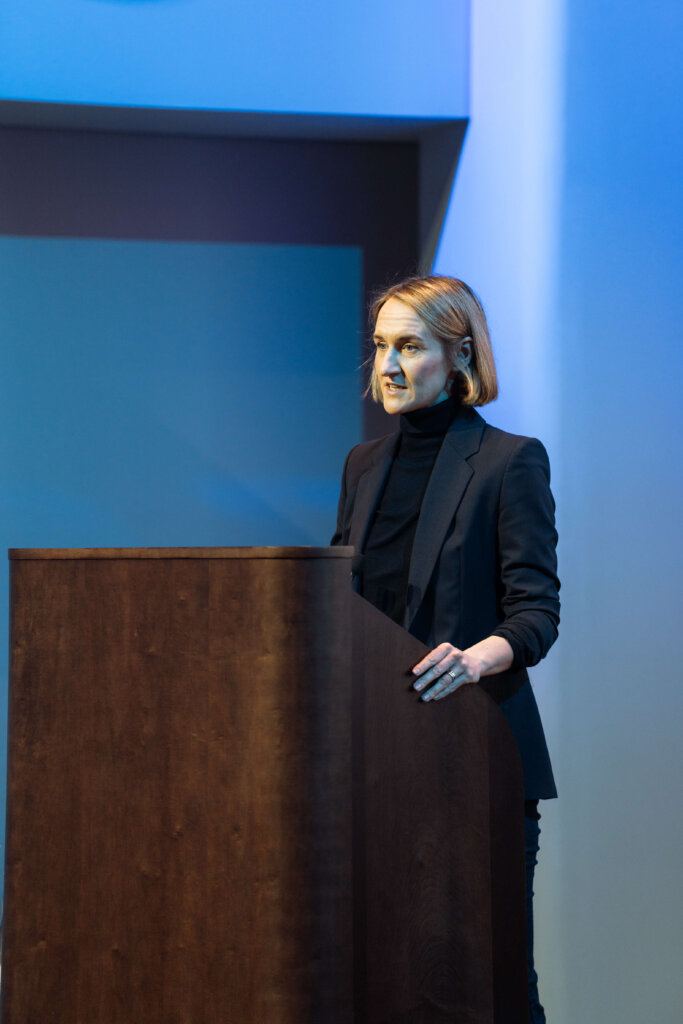
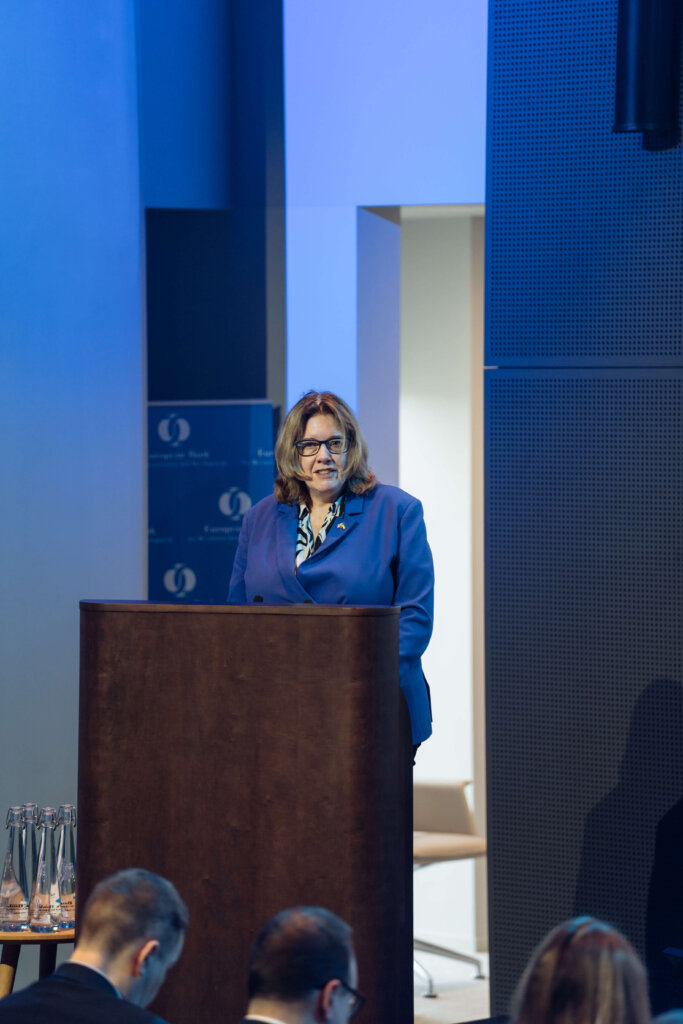
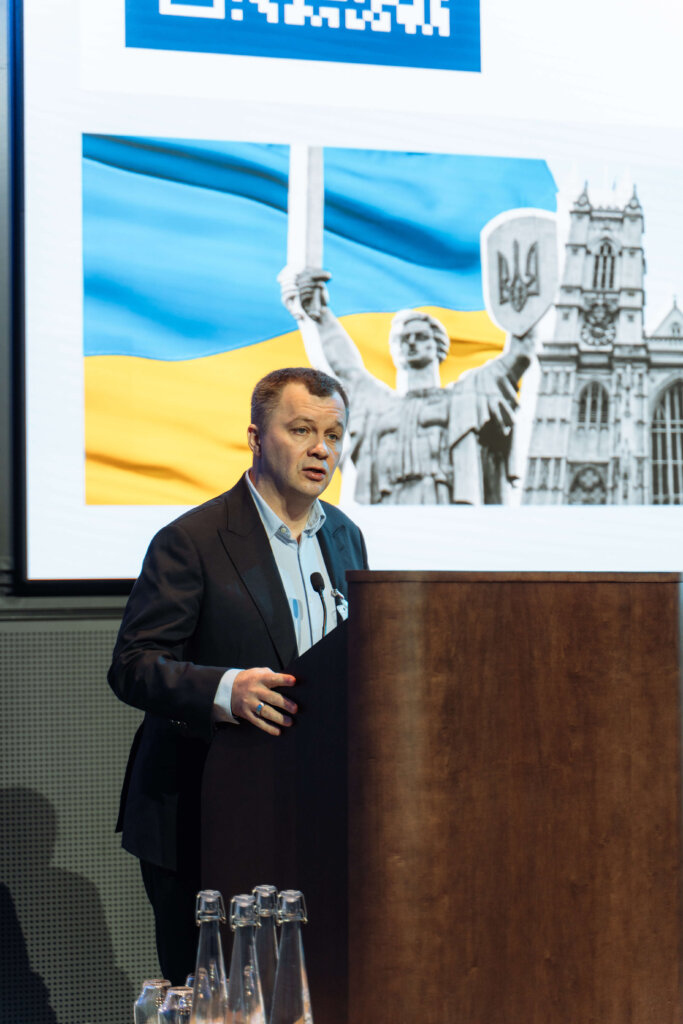
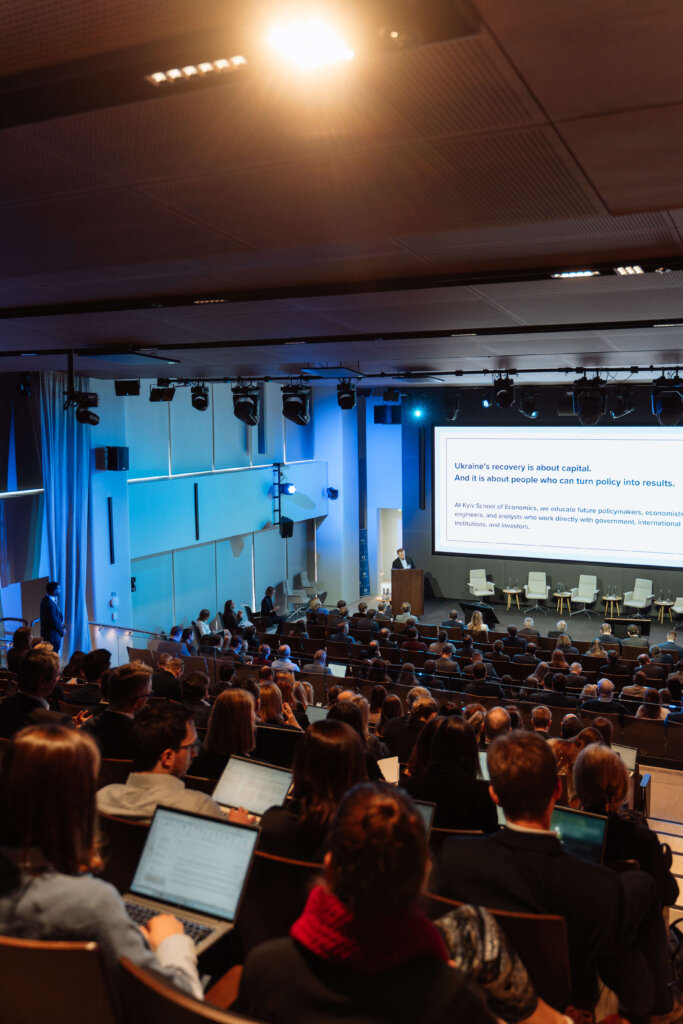
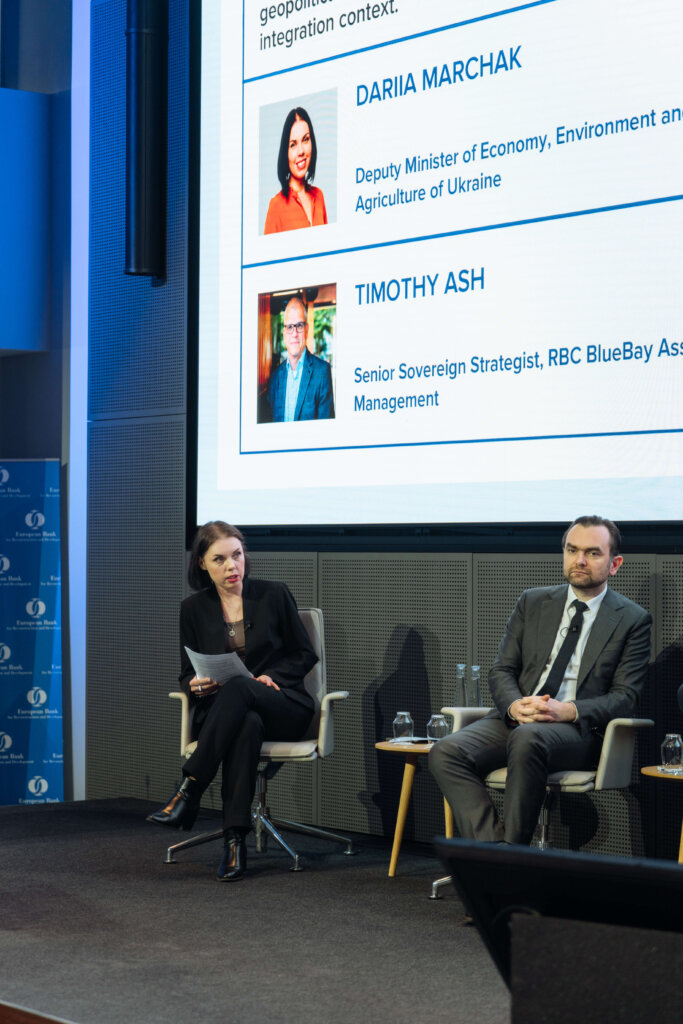
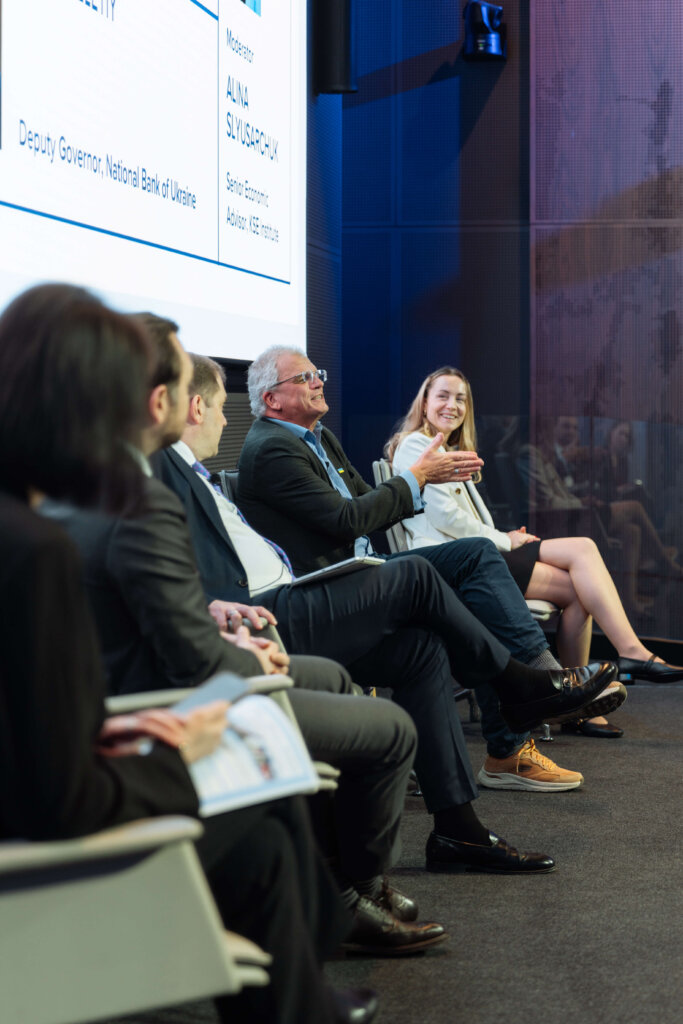
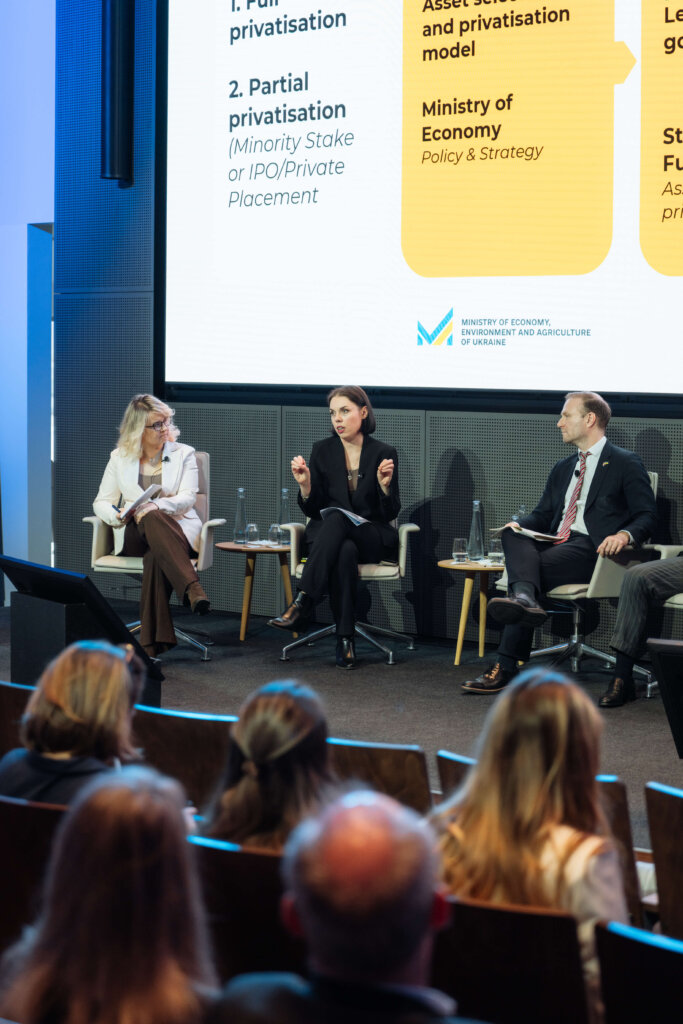
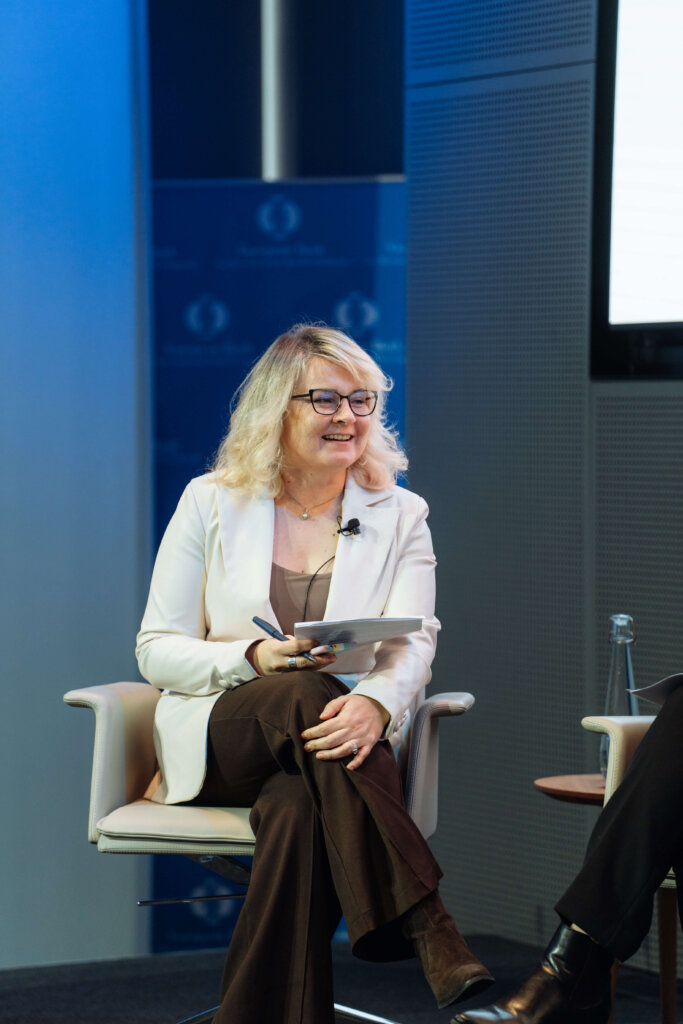
KSE Institute, together with the Ministry of Economy of Ukraine and the European Bank for Reconstruction and Development (EBRD), convened senior leaders from government, finance and industry in London on 12 February for “Investing in Ukraine: From Projects to Partnerships,” with the support of the UK Government.
The meeting focused on translating Ukraine’s recovery priorities into structured, investable projects and mobilising private capital under wartime conditions. Discussions addressed project structuring, risk allocation and the reforms required to support long-term growth and EU integration.
More than 250 Ukrainian and international representatives from government, finance and business attended the conference, with working sessions dedicated to advancing investment in Ukraine. Participants represented European institutions, international financial organisations, global banks, investment funds, private equity and advisory firms, as well as export credit and insurance agencies. Among them were representatives of the European Commission, Rothschild & Co, Bank of America, London Stock Exchange Group, UK Export Finance, McKinsey & Company, Dragon Capital and the EBRD.
Cathryn Law, Director at the UK Department for Business and Trade, emphasised the long-term nature of UK–Ukraine cooperation and the role of private capital in Ukraine’s transformation:
“The One Hundred Year Partnership Agreement signed last year laid a long-term foundation for cooperation between our countries. Recovery does not begin after victory — it is part of achieving victory. Ukraine’s fundamentals remain strong — its talent base, industrial base and digital capabilities are internationally competitive. The time to build partnerships and shape projects is now.”
Odile Renaud-Basso, President of the European Bank for Reconstruction and Development (EBRD), reaffirmed the institution’s continued engagement:
“Last year, the EBRD reached a record level of financing in Ukraine for the second consecutive year, with more than half directed to the private sector. Since the start of the full-scale war, we have provided over €9 billion and mobilised an additional €3.4 billion with donor support. We remain committed to Ukraine’s long-term support.”
The first two panels focused on the macroeconomic framework and structural reforms underpinning investment, including fiscal stability, monetary policy, capital market development and privatisation.
Deputy Minister of Economy, Environment and Agriculture of Ukraine Dariia Marchak highlighted privatisation as a structural reform aimed at reducing the state’s footprint in the economy and attracting strategic capital:
“We see privatisation as one of the gateways for strategic investors and a way to reduce the state’s footprint in the economy. It means transferring non-core assets into private hands to unlock investment and boost economic activity. Our task is to prepare assets through a transparent, rules-based process and create conditions in which investors are ready to commit capital, modernise and grow enterprises.”
Yuriy Butsa, Government Commissioner for Public Debt Management, outlined the macro-financial framework supporting wartime resilience:
“War is extremely costly, and the numbers clearly reflect that. But if military expenditures are excluded, public finances look similar to the pre-war period: revenues and non-military expenditures remain broadly comparable. It was important for us to preserve a sense of normality — ensuring that pensions and salaries were paid on time. This helped sustain consumer demand and keep the economy stable.”
Deputy Governor of the National Bank of Ukraine Yuriy Heletiy emphasised the role of predictable monetary policy:
“Despite the war, our mandate remains unchanged — to ensure price and financial stability and support sustainable economic growth. Fixing the exchange rate and imposing currency restrictions at the outset of the full-scale invasion helped stabilise the system. As conditions improved, we moved toward more market-based instruments, introducing managed exchange rate flexibility and gradually liberalising foreign exchange restrictions. We have also accumulated sufficient international reserves to safeguard foreign exchange market stability.”
Sector-focused sessions examined investment opportunities and business experience in energy, infrastructure, industry, technology and defence-related fields, highlighting companies operating and expanding under wartime conditions.
The concluding discussions addressed execution: transaction structuring, advancement of public-private partnerships and the deployment of guarantee, insurance and blended finance instruments to mitigate wartime risk and enable private capital participation.
KSE analysts focused on the importance of human capital in reconstruction:
“At KSE, we educate the next generation of public managers, economists, engineers and analysts who are already working with government, international institutions and investors. Investment in human capital makes reforms more durable, institutions more effective and private investment less risky. That is what defines long-term recovery,” said Tymofiy Mylovanov, President of KSE, and Nataliia Shapoval, President of KSE Institute.
KSE Institute presented its latest analytical and investment products — the Ukraine Macroeconomic Handbook, Ukraine Investment Catalogue, Ukraine Investment Project Portal and Ukraine Fiscal Digest — providing investors with tools for data-driven decision-making.
The conference was held within the Ukraine’s Economic Recovery Programme, supported by the Government of the United Kingdom.