
KSE Institute and the Ministry of Economy present updated guide on business financing in Ukraine
30 March 2026
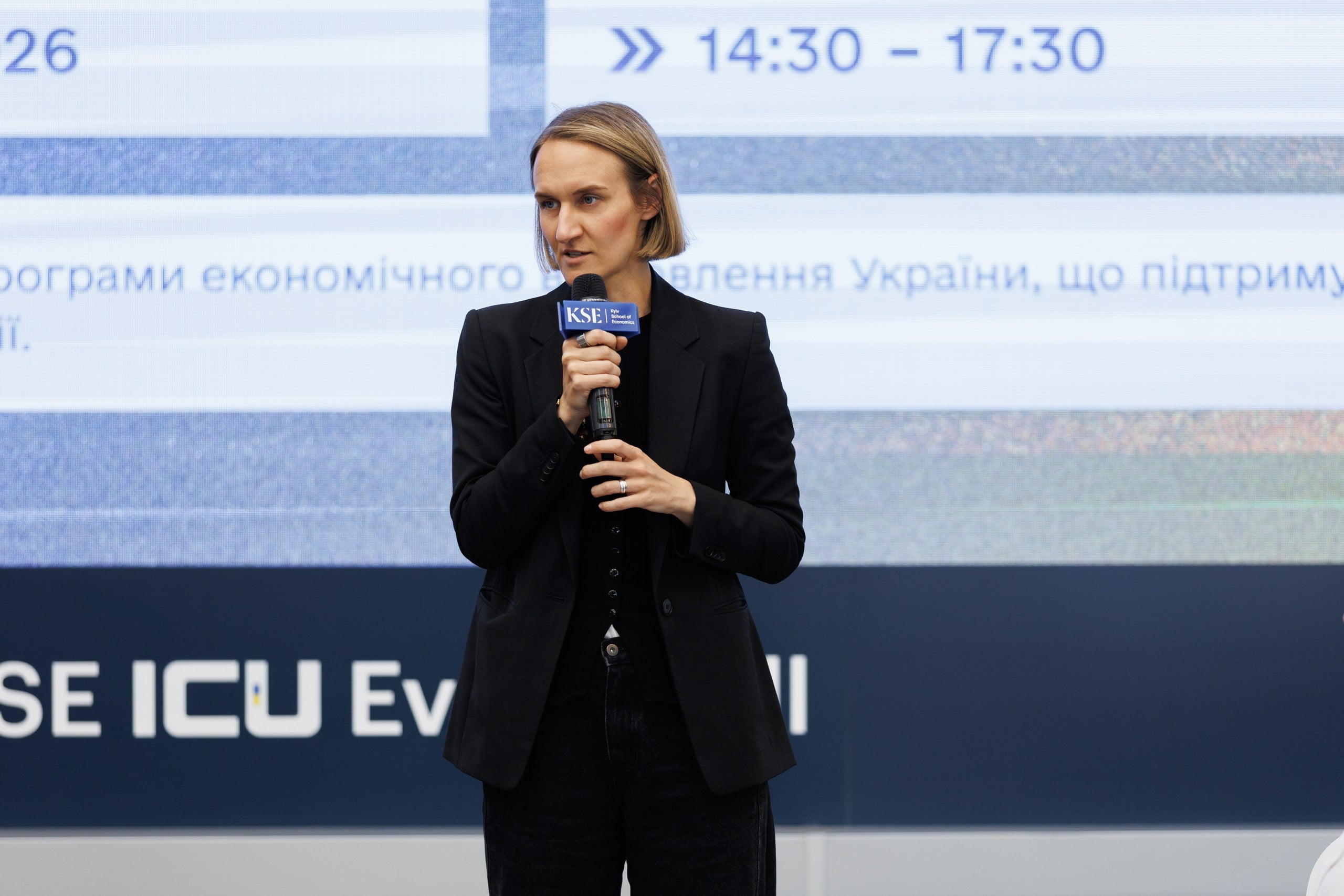


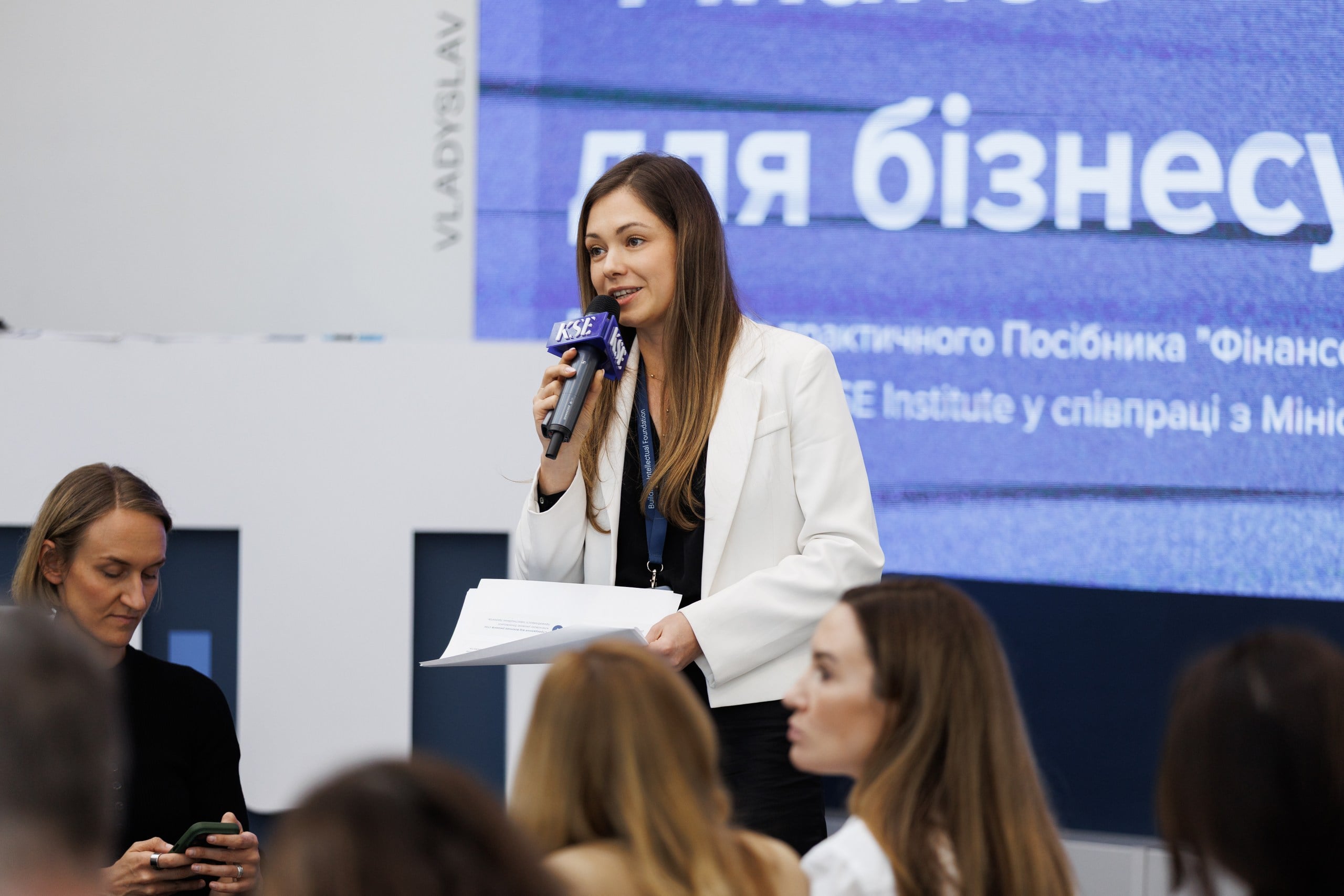
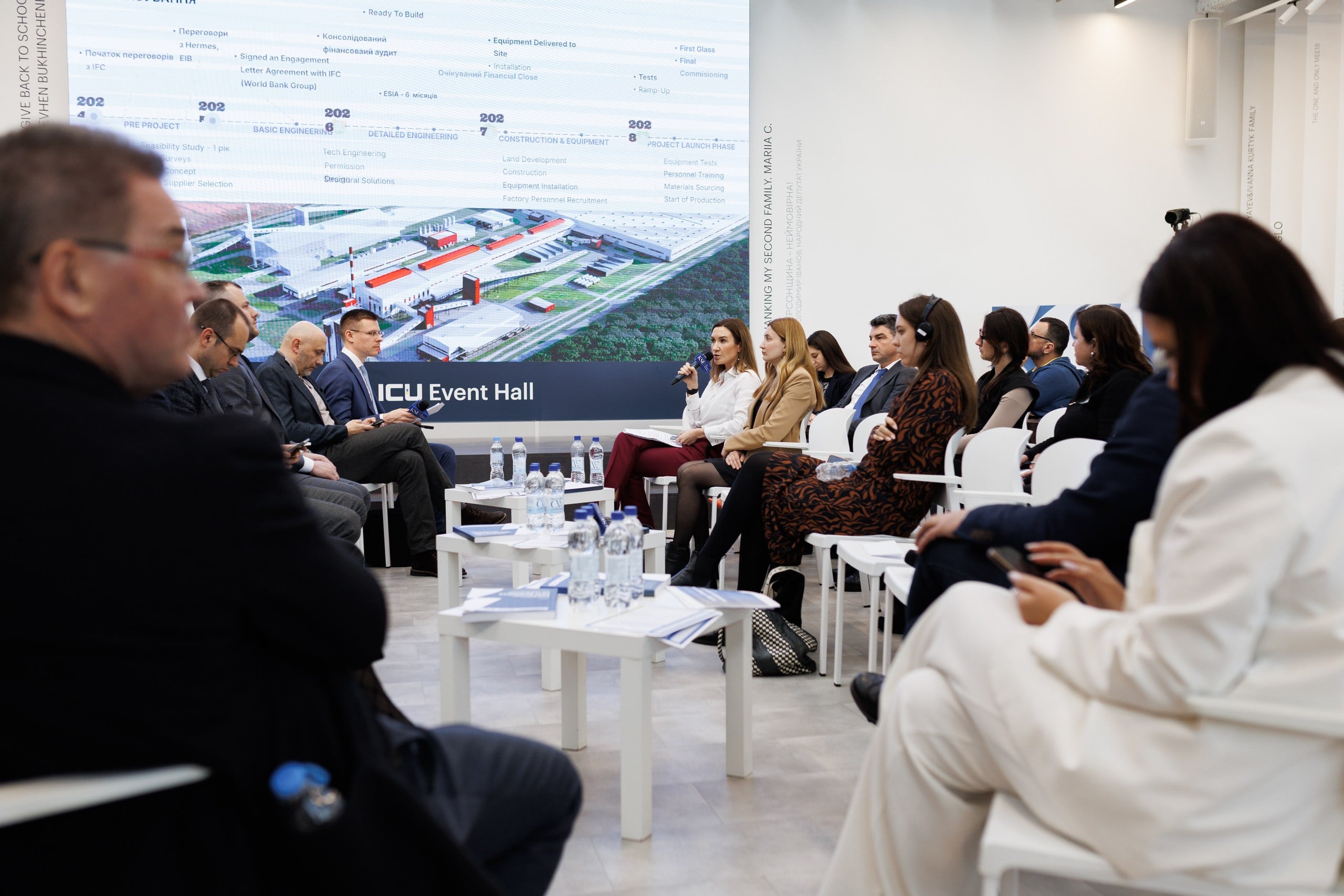
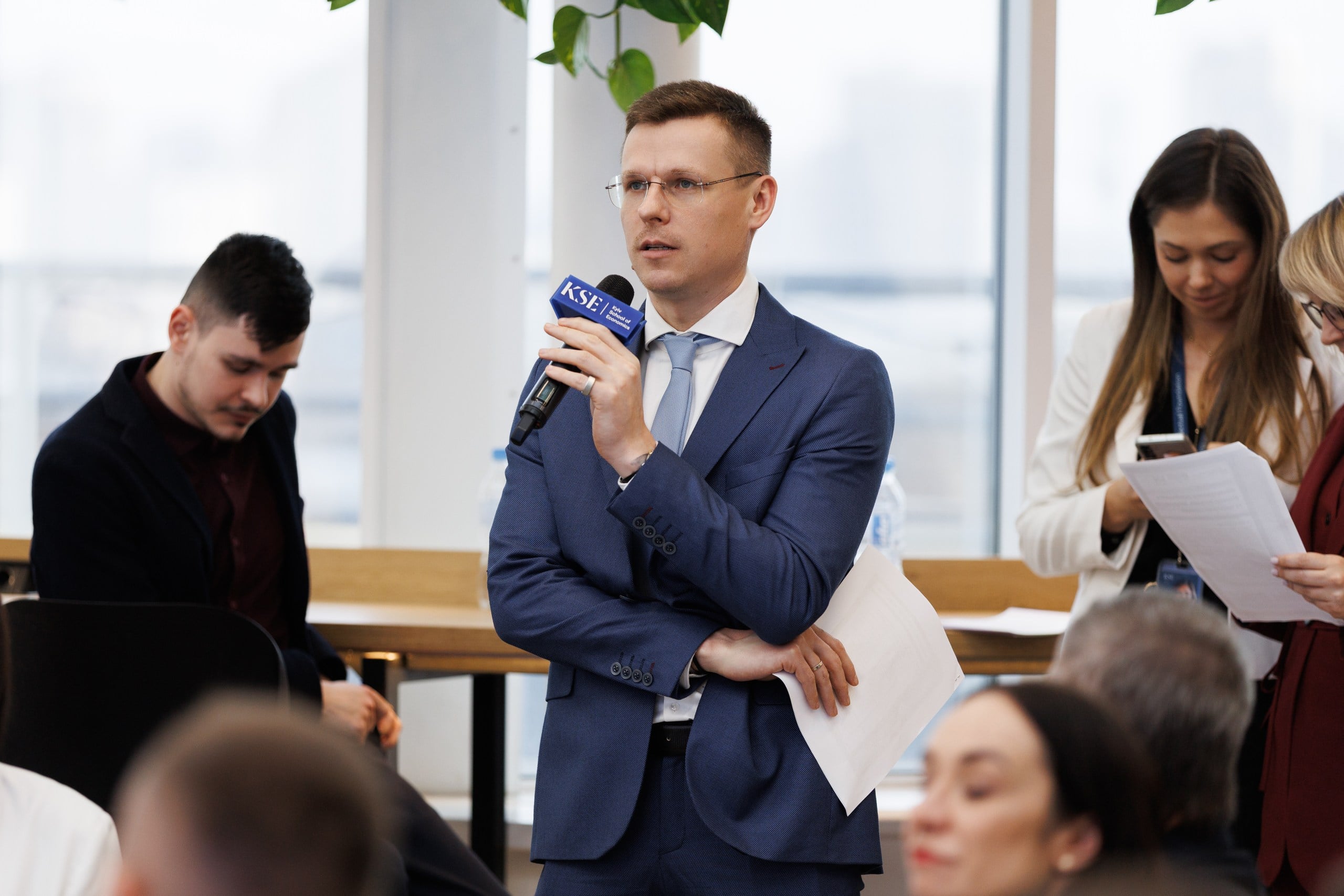

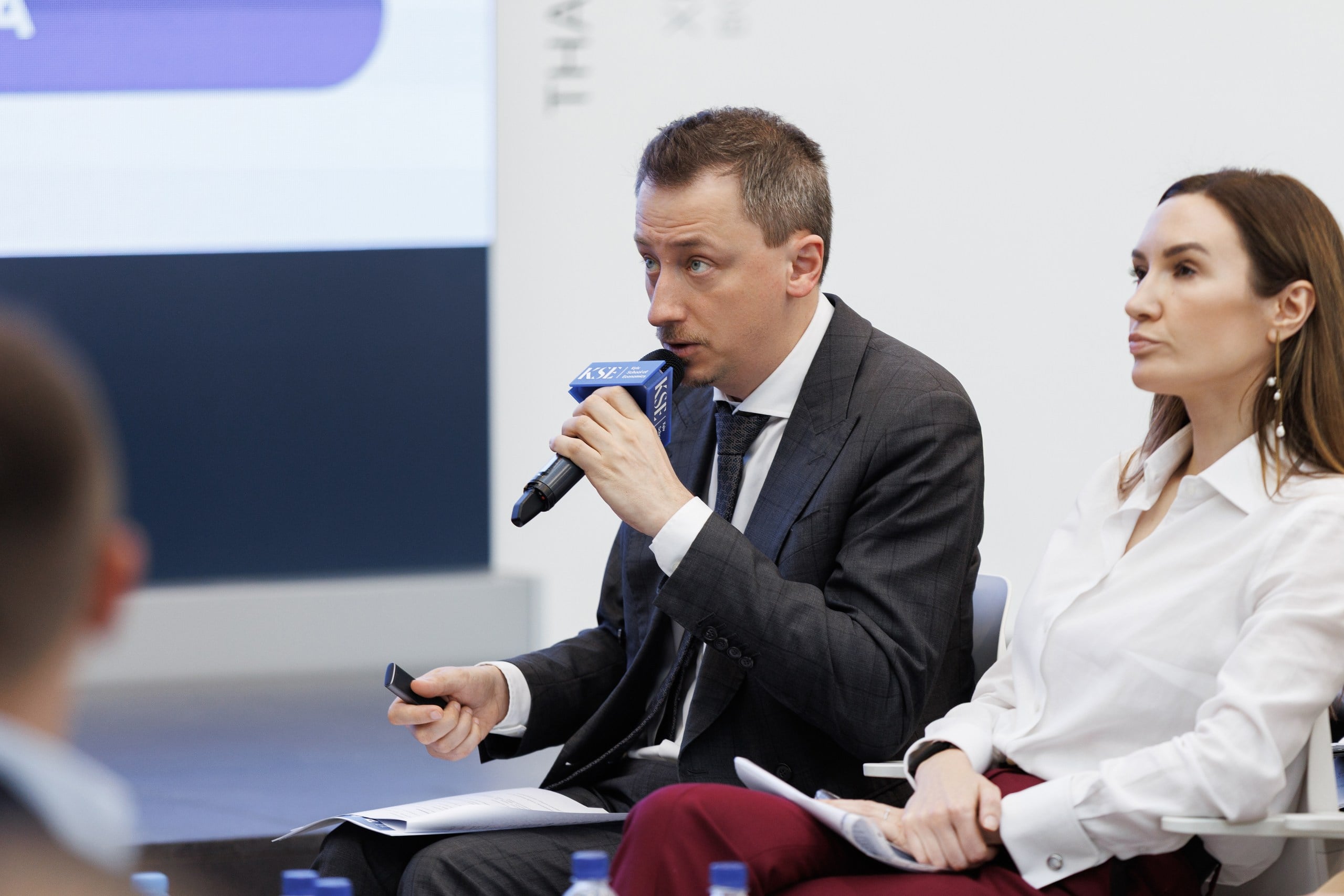

On 26 March, the Ministry of Economy, Environment and Agriculture of Ukraine, together with KSE Institute, presented an updated edition of the guide Financial Instruments for Business in Ukraine. The presentation took place during the conference Financing Ukrainian Business: Needs, Instruments and Practical Solutions, held with the support of the UK Government. The event brought together entrepreneurs, banks, international partners and government representatives.
Ukraine has already mobilised a substantial pool of financing for businesses – over €20 billion has been allocated to Ukrainian business through international financial institutions (IFIs), development finance institutions (DFIs), banks and investment funds. This includes €15.8 billion invested since 2022, a further €2.6 billion planned for 2025-2027, and €1.8 billion in active investment funds operating in Ukraine. Yet for many companies, these resources remain difficult to access due to elevated risks, collateral requirements and the complexity of available instruments.
The updated guide, developed by KSE Institute in cooperation with the Ministry of Economy of Ukraine and supported by the UK Government, brings this ecosystem together and explains how it works in practice. This second edition reflects the changing conditions in which Ukrainian businesses operate.
The guide covers 65 financial institutions, funds and their instruments – loans, guarantees, insurance, grants, leasing, factoring and investment solutions. It outlines key parameters, including financing terms, eligibility requirements, use cases and institutional contacts, and shows how businesses can combine instruments to reduce both risk and the cost of financing.
“Ukraine’s economy is facing unprecedented structural pressures. War-related damage to assets, energy constraints, labour shortages and disrupted logistics are increasing risk and constraining lending. We remain in close dialogue with businesses and understand where these barriers arise. The government is expanding both banking and non-banking instruments and strengthening risk mitigation mechanisms so that loans, guarantees and insurance operate as a single system and improve access to finance,” said Oleksii Sobolev, Minister of Economy, Environment and Agriculture of Ukraine.
“Businesses today don’t have the luxury of a single straightforward financing solution. There are dozens of instruments out there – from loans and guarantees to insurance and private equity funds – but figuring out what fits and how to actually access it is far from simple. That is exactly what we set out to address: bringing everything that is available into one place and explaining how it works in practice,” said Nataliia Shapoval, President of KSE Institute.
“The private sector is central to Ukraine’s recovery. Support needs to translate into real opportunities for businesses, and companies need clarity on how to access and use these instruments despite the challenges they face,” said Nina Delany, Head of the Recovery, Energy and Growth Team at the British Embassy in Ukraine.
During the conference, businesses from different sectors shared practical experience in accessing finance under wartime conditions. In the first session, representatives of EFI Group, Promavtomatyka Vinnytsia and Winner Leasing highlighted key barriers to financing – limited availability of project finance, stringent collateral requirements and the complexity of working with grant programmes.
The second session brought together representatives of the IFC, EIB, Oschadbank, PrivatBank, FUIB, INGO insurance company, OTP Leasing and the Export Credit Agency of Ukraine, who discussed risk-sharing architecture, state support mechanisms and co-financing with international institutions, as well as export support instruments in the context of Ukraine’s recovery and EU integration priorities.
The event was held as part of the Ukraine Economic Recovery Programme, supported by the UK Government.