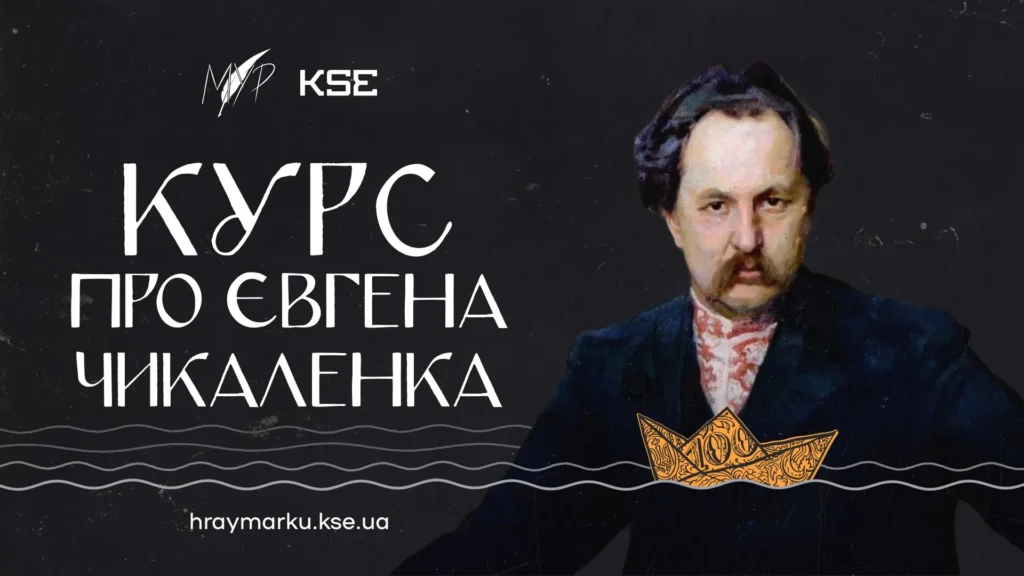
Kyiv School of Economics, together with MUR, is launching a short online course about Yevhen Chykalenko. A Ukrainian public figure, publisher, and philanthropist, he showed by his own example how culture should be supported through real action. In 1909, he wrote in his diary: “It is easy to love Ukraine to the depth of one’s soul — try loving it to the depth of your pocket.”
The economics of the public good
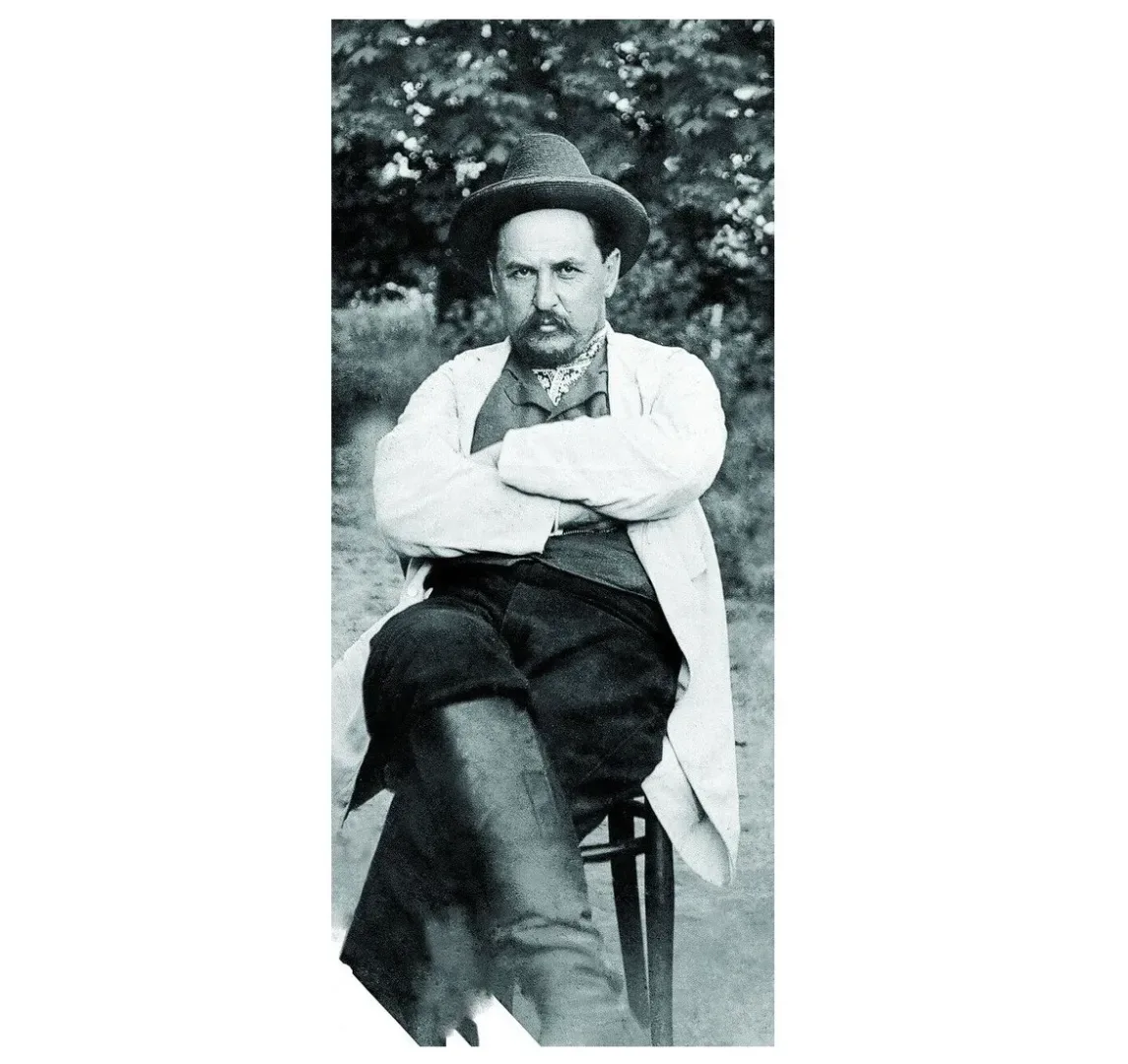
Chykalenko lived by this philosophy himself. He sold land and mortgaged his own house to keep the newspaper Rada running, thereby shaping the Ukrainian media space and supporting the national movement at a time when Ukrainian culture was banned. The newspaper was deliberately run at a loss: Chykalenko covered the deficit out of his own pocket so that peasants could afford to buy and read Rada. In doing so, he set an important precedent of philanthropy for today’s entrepreneurs.
Using science for practical ends and the good of the nation
For five years, Chykalenko waited for the censors to allow him to publish a book for peasants. Permission came only when he stopped appealing to Shevchenko and showed instead that his peasants had no debts because they farmed according to his advice. His Conversation about Agriculture, in which he described effective farming methods, became the first scientific guide for Ukrainian farmers.
Championing stoicism and duty to one’s country
“With us, the ‘I’ always comes first, and public interests are mere decoration! But in life I hold to the rule: And you, Marko, play on! We will play as long as our strength lasts, and after us let others play — but our song will always be the same.” Reinterpreting a well-known folk saying in a 1908 letter to Andrii Nikovskyi, Chykalenko showed his complete devotion to building the nation. This phrase gave the MUR production its title, as it sounds even more powerful in wartime.
Education as the foundation of independence
Yevhen Chykalenko always encouraged young people to study. He funded the creation of the Ukrainian Academic House in Lviv — in effect, a dormitory for students of the city’s higher education institutions — which became an important hub for Ukrainian students in Lviv. With Chykalenko’s financial support, Borys Hrinchenko’s four-volume Dictionary of the Ukrainian Language was published, the first major academic dictionary of the living Ukrainian language. In a 1906 letter to Petro Stebnytskyi, Chykalenko wrote: “…if we do not achieve schools, we will lag behind everyone for many, many years, perhaps forever… It seems to me that once we have schools, autonomy will follow.”
Building institutions, not running the state
Chykalenko always had a clear sense of his role and believed that everyone should do their own work — in effect, putting into practice Skovoroda’s idea of “kindred labor.” In 1917, he initiated the convening of the Central Rada and urged Mykhailo Hrushevsky to lead it, yet he never attended it himself. He pursued a clear vision of social transformation — from schooling and literacy to the formation of a conscious society and the creation of an independent state.
MUR and KSE created the course ahead of the premiere of the musical about the philanthropist to introduce audiences to his life and work and to provide the necessary historical and personal context before they see the performance.
“Chykalenko did much to ensure that the Ukrainian language, press, and culture could develop. Today, it is important to tell his story so that people understand the conditions under which it all happened and the cost of those decisions. MUR works with this story through theater and music; we add the educational component. Understanding one’s own history requires facts, context, and the opportunity to figure everything out independently. This is one of the most important things education can provide,” notes Tymofiy Mylovanov, President of the Kyiv School of Economics.
“The course does not replace the performance and does not spoil it — on the contrary, it adds important context. Afterward, you will recognize historical details more easily and follow the stage action with even greater interest. We have said it many times: our task is to spark interest and provide an impulse to explore further. Because history does not end after the final scene. From there, you are the ones writing this history,” emphasized the MUR creative collective.