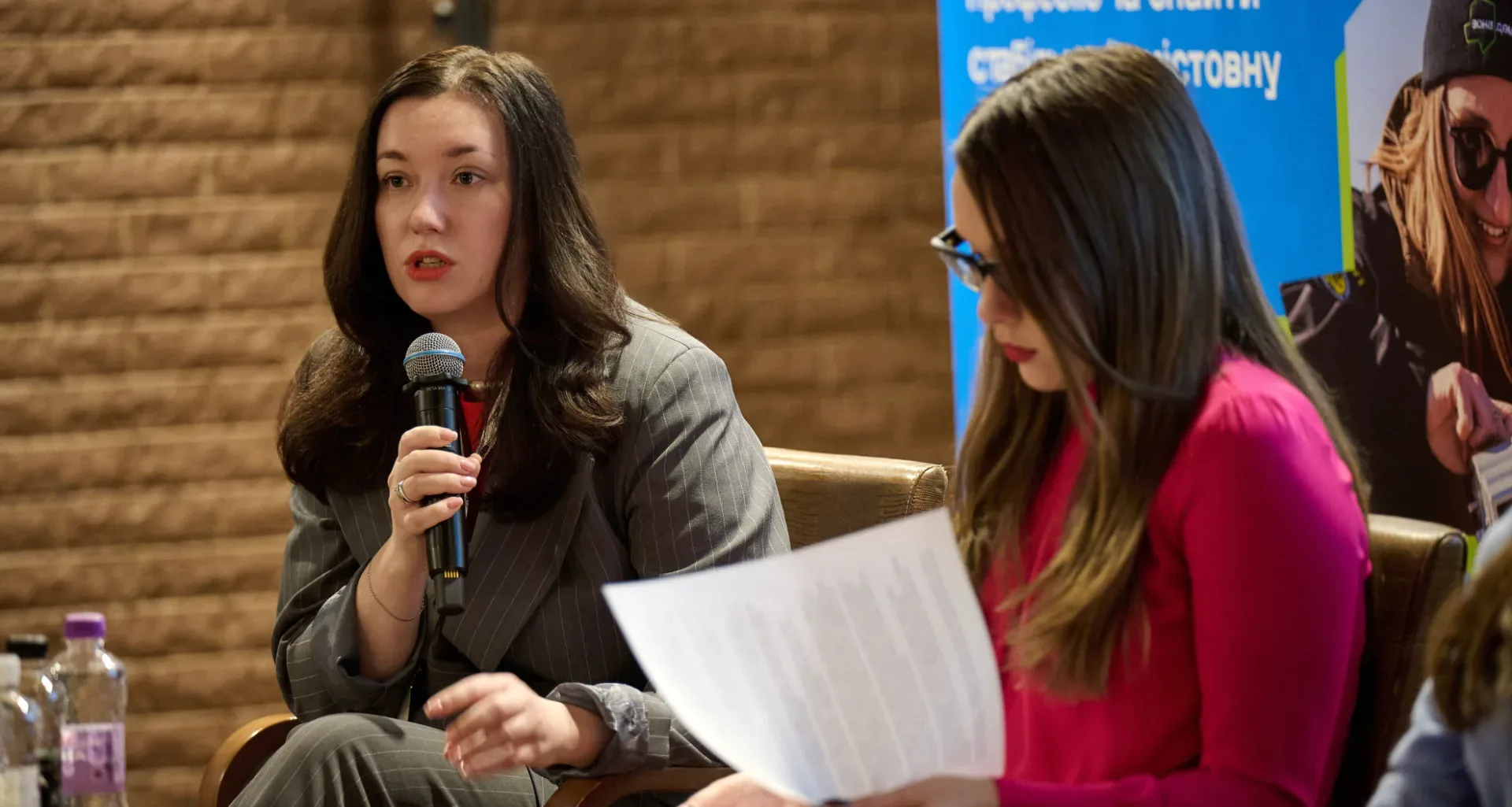
The team at the KSE Institute presented a study, “The Social Well-being Barometer”. The aim of the analysis was to understand whether Ukrainians remain resilient despite the war, how effective state support programs are, and what changes are needed to improve people’s well-being. Experts assessed material aspects – safety, income, housing, and employment – as well as emotional ones – a sense of purpose, levels of happiness, anxiety, and psychological burnout. Special attention was paid to groups that who may require more support: internally displaced persons (IDPs), residents of frontline areas, veterans, young people, and public sector workers. Data for the study were collected between March and May 2026.
The data revealed that, despite the high levels of anxiety experienced by 53% of citizens, 59% of Ukrainians feel that their lives are meaningful. And it is likely that this very feeling is currently the main source of the nation’s psychological resilience. Only 26% have a high life satisfaction level. Around 40% at the time of the survey believed their lives will improve over the next six months. However, not everyone links this to improved conditions in Ukraine — only 29% expect the national situation to improve within six months. People aged 24–35 and residents of Kyiv are more satisfied with their lives. At the same time, residents of the capital and cities with over a million inhabitants are the most anxious.
Veterans are the most optimistic about the future. They view both their own life prospects and potential changes in Ukraine over the next six months in a significantly more positive light than other respondents do. At the same time, 11% of veterans, a further 12% of residents in frontline communities, and 31% of internally displaced persons (IDPs) face housing problems – they are living with friends, in hostels, or have no permanent place of residence. Government programs and services aimed at addressing the housing issue do not reach enough people in need of this support. According to analysts, initiatives and services need to be scaled up to achieve a tangible improvement in the lives of vulnerable groups.
Interestingly, only 25% of respondents at the time of the survey were worried about everyday problems, including blackouts. It should be noted, however, that the situation at that time differed from the current one; with the tightening of restrictions, attitudes have likely changed. A large number of Ukrainians are troubled by shelling, uncertainty, and news from the front line. And the main factor contributing to a sense of well-being is the absence of financial difficulties. Even for young people aged 18 and over, employment is becoming a decisive factor, particularly when choosing between emigrating and staying in the country. 20% of respondents aged 18–34 reported that they had been looking for work abroad during the previous month. And the search for better economic opportunities was the main motive for moving. Accordingly, the state can reduce the outflow of young professionals by introducing programs to support youth employment and improve their economic prospects.
Another trend is affecting the quality of the professionals entering the labor market in a few years’ time: 21% of teachers plan to leave their jobs in state schools within the next six months. The main reasons cited are low pay and burnout. According to 60% of teachers, their salaries have not reached the level announced by the government. At the same time, about half of teachers and healthcare professionals reported moderate or high levels of burnout. Among doctors, this figure is comparable to that in other European countries. Among teachers, however, it is significantly higher than among their counterparts abroad, and is mainly linked to aspects of teacher–pupil interaction.
Analysts highlight the need for new programs providing psychological support, training, employment, workplace adaptation, and funding for the businesses. In this way, the state will most effectively support veterans, internally displaced persons, residents of frontline areas, social workers, and young people. Other proposed measures include targeted assistance, state support for repair and restoration of homes damaged by shelling, subsidies for utility bills and education, social housing to provide accommodation.
For more details on Ukrainians’ well-being indicators, attitudes, migration plans, and the psychological and financial circumstances of public sector workers and members of vulnerable groups, read the full version of the “Social Well-being Barometer”.