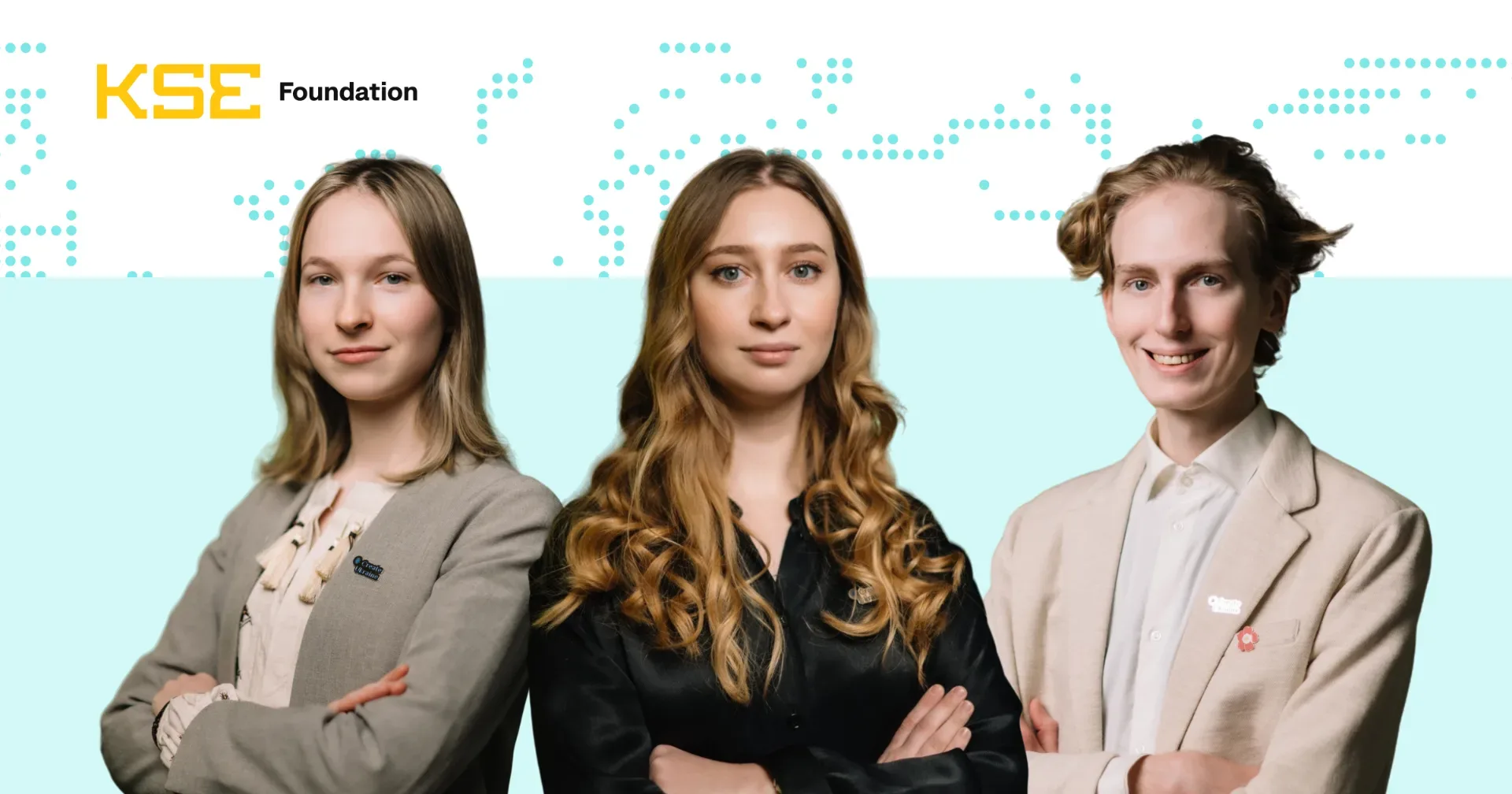
The Create Ukraine initiative was launched in 2024. Its goal was to bring back to Ukraine professionals who had gained work experience abroad and to integrate them into the professional environment of the country’s public sector. In 2024, 10 people took part in the pilot phase of the programme, and in 2025, 24 professionals began work in 9 ministries and government offices.
Selection of candidates for the programme’s third cohort is currently under way. 26 participants of the new intake will start work in government teams in January 2027.
The programme is implemented by the Lithuanian Fund for Development Cooperation together with the KSE Foundation, with the support of the Ministry of Foreign Affairs of Lithuania and in close cooperation with the Government of Ukraine.
Story 1. Mariia Bondarenko. Attracting Japanese investment to Ukraine.
Returning to Ukraine was a goal Mariia Bondarenko had even while living in Japan. Over three years, she studied Japanese, built professional connections, and took part in projects focused on Ukraine’s recovery.
Through the Create Ukraine programme, Mariia returned to Ukraine and joined the Ministry of Economy and Environment of Ukraine, where she works to strengthen economic cooperation between the two countries.
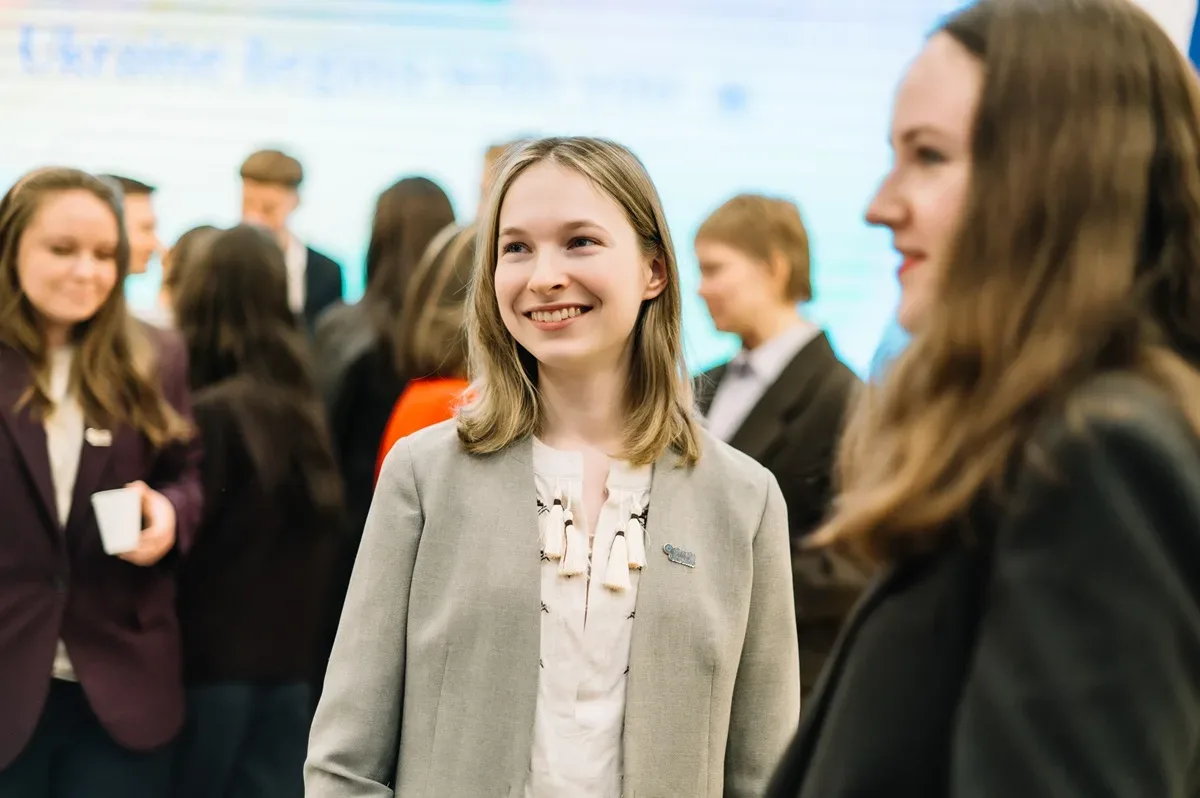
Before returning, Mariia worked at the intersection of the public sector, international organizations, and business. During her internship at the Japan International Cooperation Agency (JICA), she contributed to projects focused on Ukraine’s recovery and supporting employment opportunities for Ukrainian youth. She also coordinated an educational project for Ukrainian students in cooperation with Japanese partners and worked on Ukrainian-Japanese investment projects in the construction sector.
Today, Mariia applies this experience at the Ministry of Economy and Environment of Ukraine. Her key areas of work include strengthening economic cooperation between Ukraine and Japan, attracting Japanese investment, and supporting Ukrainian businesses in entering the Japanese market.
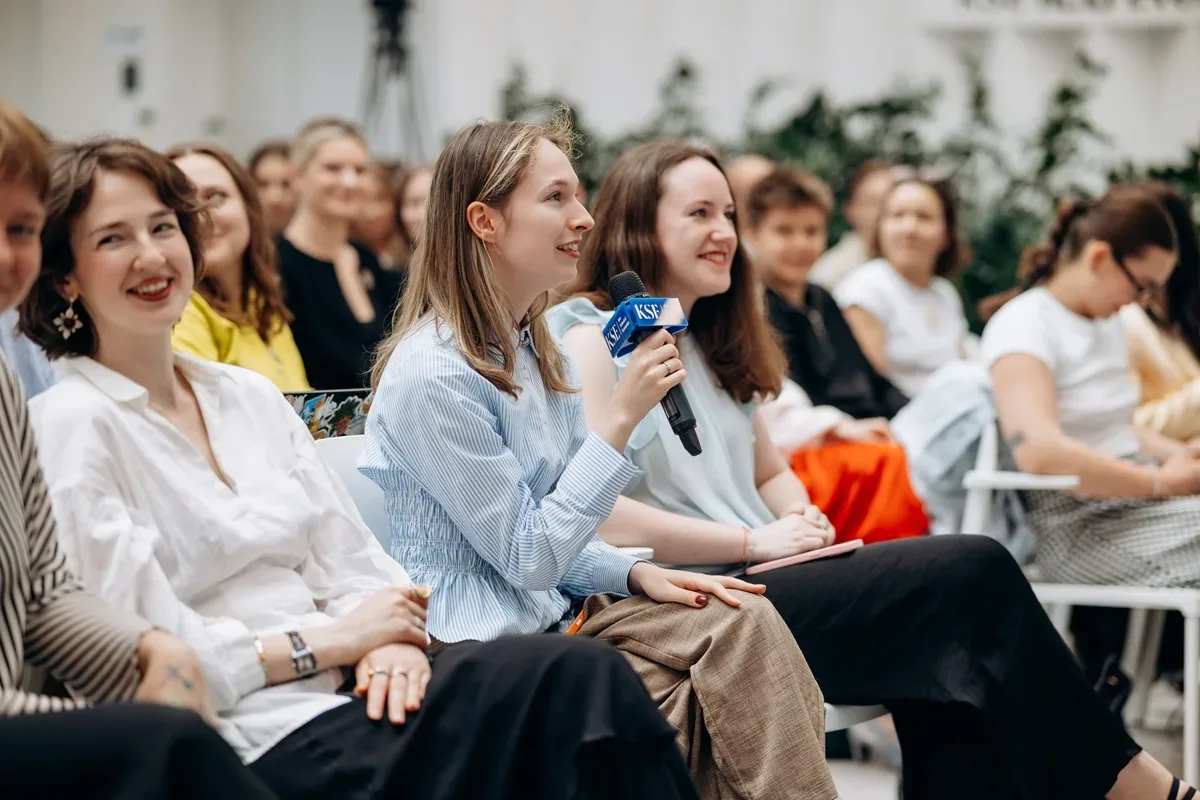
In recent months, Mariia has coordinated more than 20 official meetings with representatives of the Japanese government, international organizations, and businesses. She also contributed to the signing of the Joint Plan for Economic Cooperation between Ukraine and Japan.
One of the major projects Mariia is working on is the Ukrainian-Japanese Business Forum in Kobe. The event brought together teams from 20 Ukrainian technology companies that travelled to Japan on a business mission, as well as representatives of Japanese businesses and the innovation sector.
Story 2. Serafym Kolodchuk. Preserving Ukraine’s cultural heritage during the war.
Serafym Kolodchuk returned from Slovakia to contribute to preserving Ukraine’s cultural heritage during the war. Through the Create Ukraine program, which brings Ukrainians with international experience into the public sector, he joined the team of the Ministry of Culture of Ukraine.
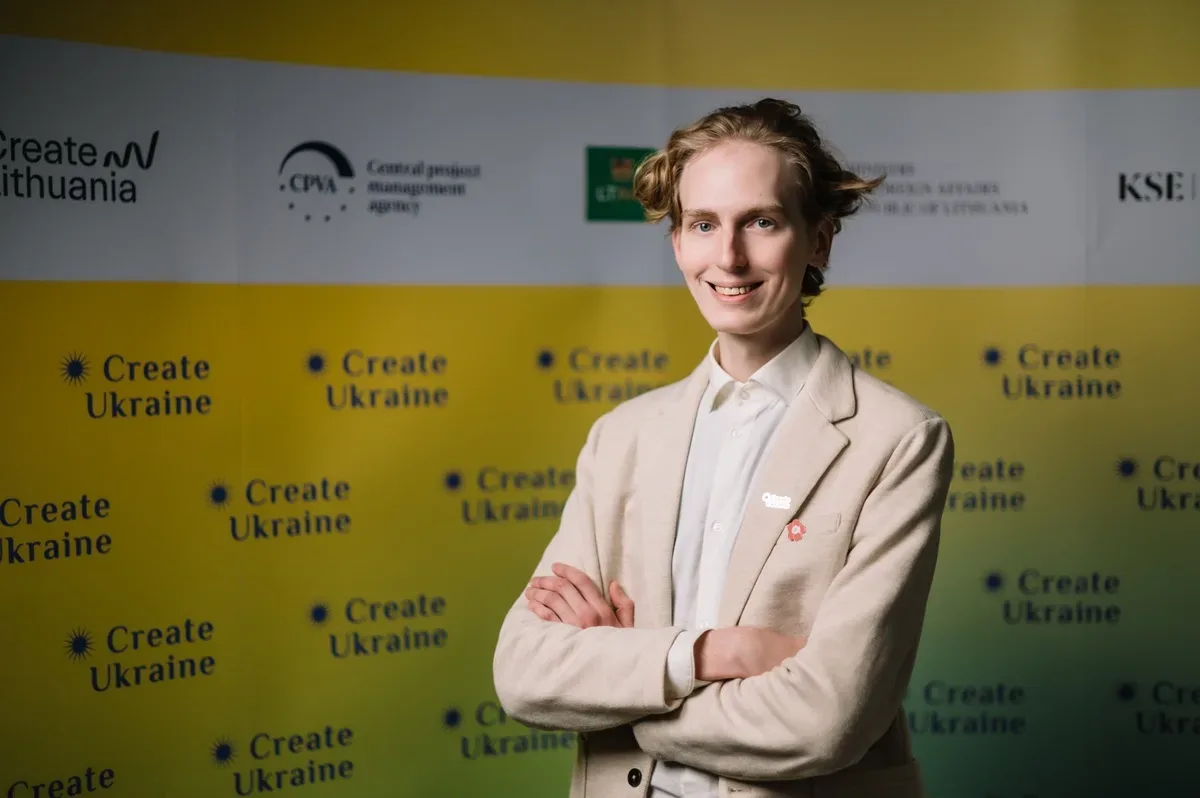
During his studies and work abroad, Serafym visited more than 30 European countries and gained experience working in international institutions and multicultural teams. He worked at Volt Europa in Brussels and at Youthfully Yours SK in Slovakia, where he coordinated international projects, conferences, and Erasmus+ programs. He also gained experience managing European grants in Greece.
Today, Serafym works on launching the Ukrainian Cultural Heritage Fund (UCHF) — a mechanism designed to support the long-term restoration of cultural sites damaged by the war. Within this effort, the team has already formed the Fund’s Board of Directors, approved its strategy through 2027, and strengthened cooperation with international donors.
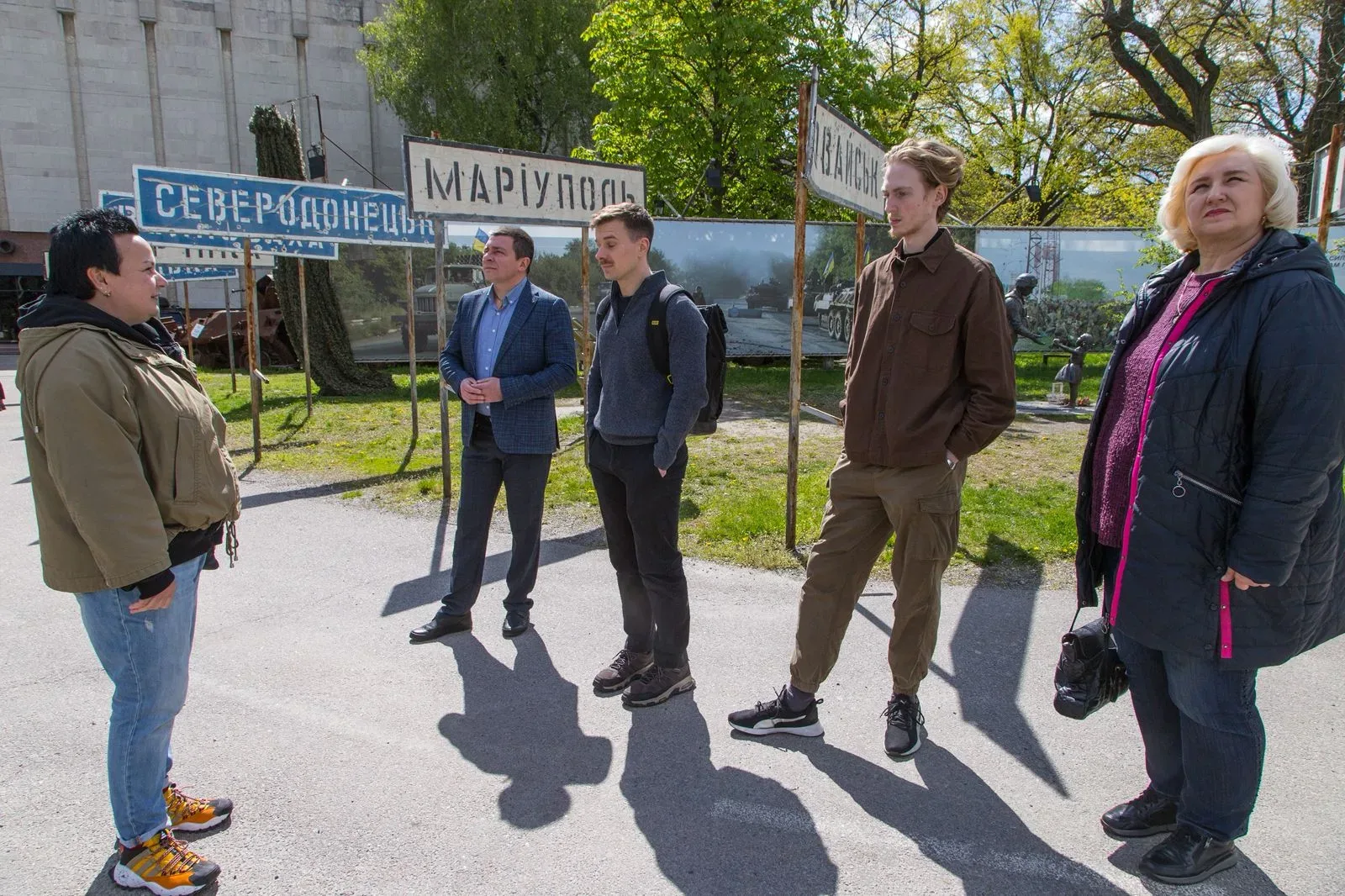
Another important part of Serafym’s work at the Ministry focuses on evacuating museum collections from frontline regions. Over the past month, he visited more than 50 museums across six regions of Ukraine and is currently working on establishing a coordination center for the evacuation of cultural assets. He also held meetings with representatives of regional military administrations in frontline and rear regions and participated in an offsite meeting of the Parliamentary Subcommittee on Information Policy and European Integration, where the evacuation of cultural property from frontline territories was discussed.
Story 3. Iana Kostenko. Launching Unity Hubs designed to support Ukrainians living abroad.
After 15 years abroad, Iana Kostenko returned to Ukraine and joined the team of the Ministry of Social Policy, Family and Unity of Ukraine. As part of the #CreateUkraine programme, she is working on launching Unity Hubs — spaces designed to support Ukrainians living abroad.
Before returning to Ukraine, Iana lived in Belgium and worked with international organisations, focusing on migration, humanitarian assistance, civil society development and support for independent media.
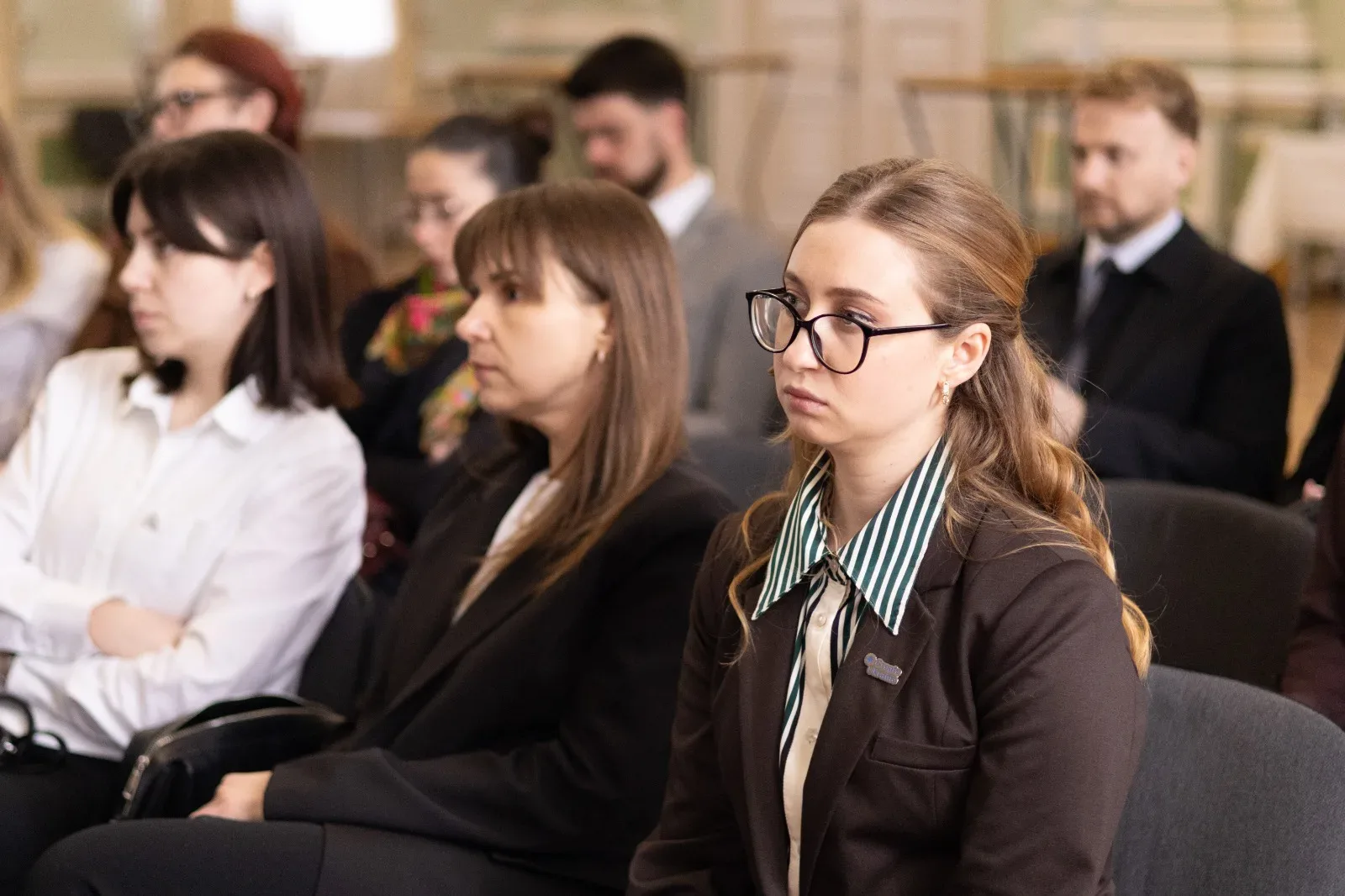
At the International Organization for Migration (IOM), she supported people affected by war. At the European Endowment for Democracy, she worked on civil society projects. Iana also contributed to the work of the Ministry of the Interior of the Czech Republic, taking part in processes related to granting temporary protection to Ukrainians forced to leave their country following Russia’s full-scale invasion.
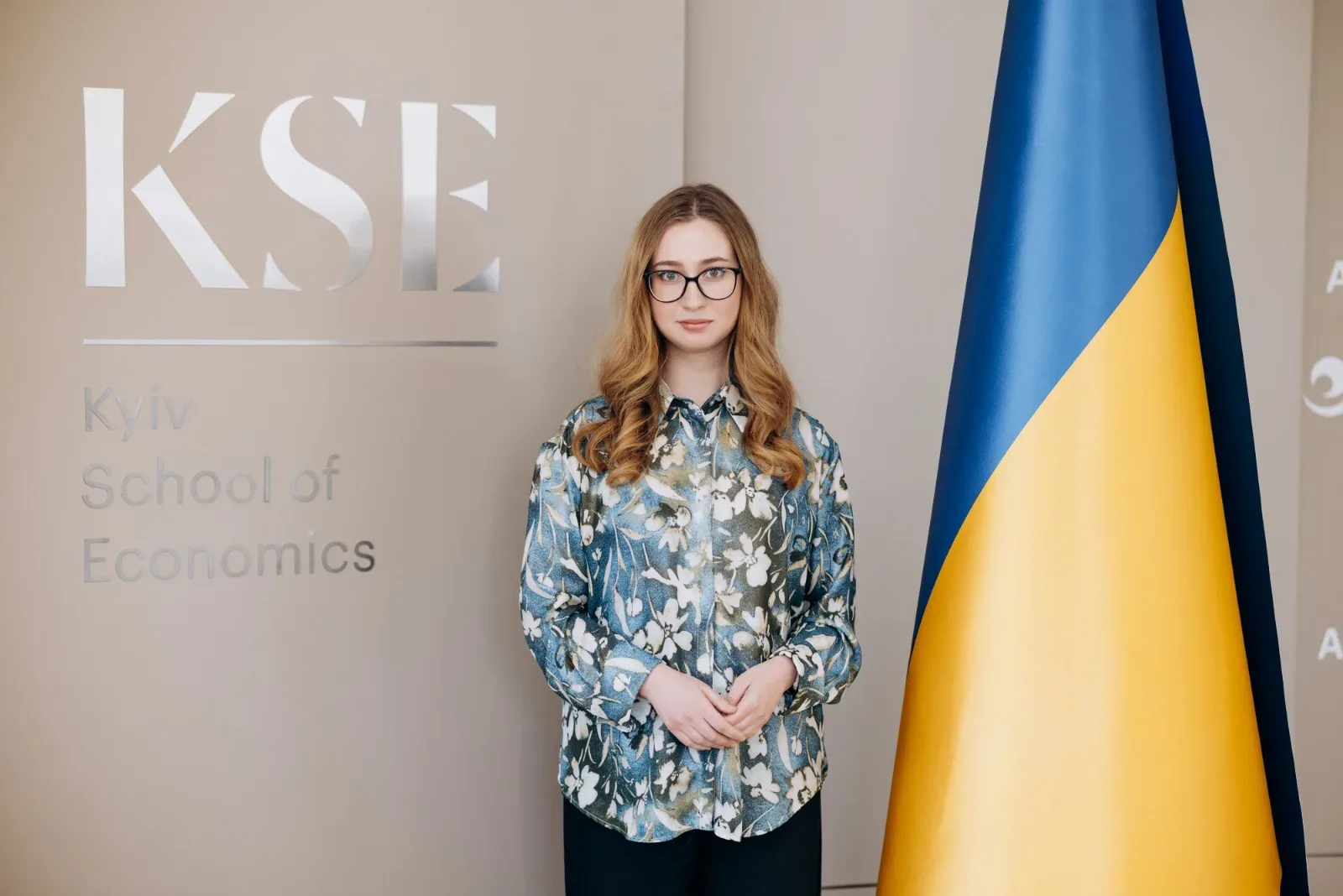
Today, Iana applies this international experience to her work within the Ukrainian government. At the Ministry of Social Policy, Family and Unity of Ukraine, she coordinates the launch of Unity Hubs for Ukrainians abroad. These spaces will provide citizens with access to essential services, support and information, help them adapt to life in their host countries.
The first Unity Hubs have already opened in Berlin and Stockholm. The network is expected to expand to other European countries.
More about Create Ukrane – on KSE Foundation.