On 25 October, KSE University held the Student Mathematics Tournament for the third time. This year it brought together 64 participants from KSE, Taras Shevchenko National University of Kyiv, Igor Sikorsky Kyiv Polytechnic Institute, the Technical University of Munich and Washington University in St. Louis (McKelvey School of Engineering).
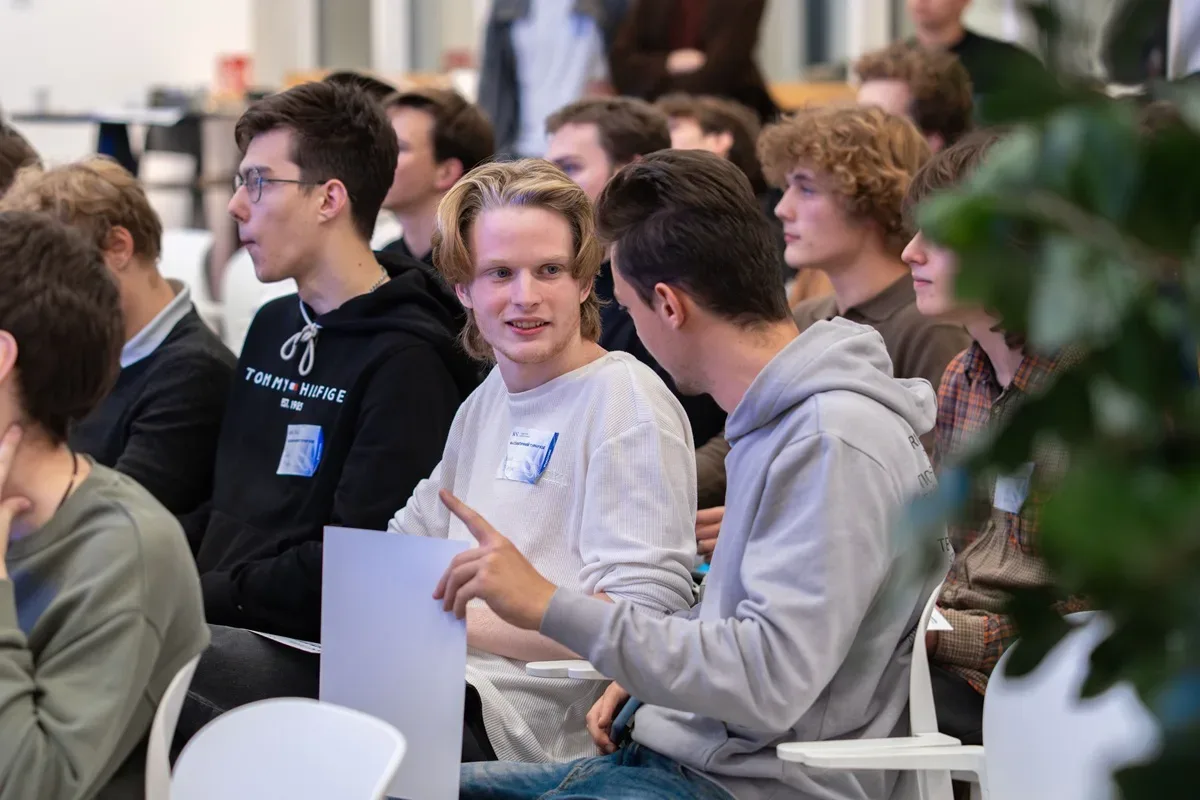
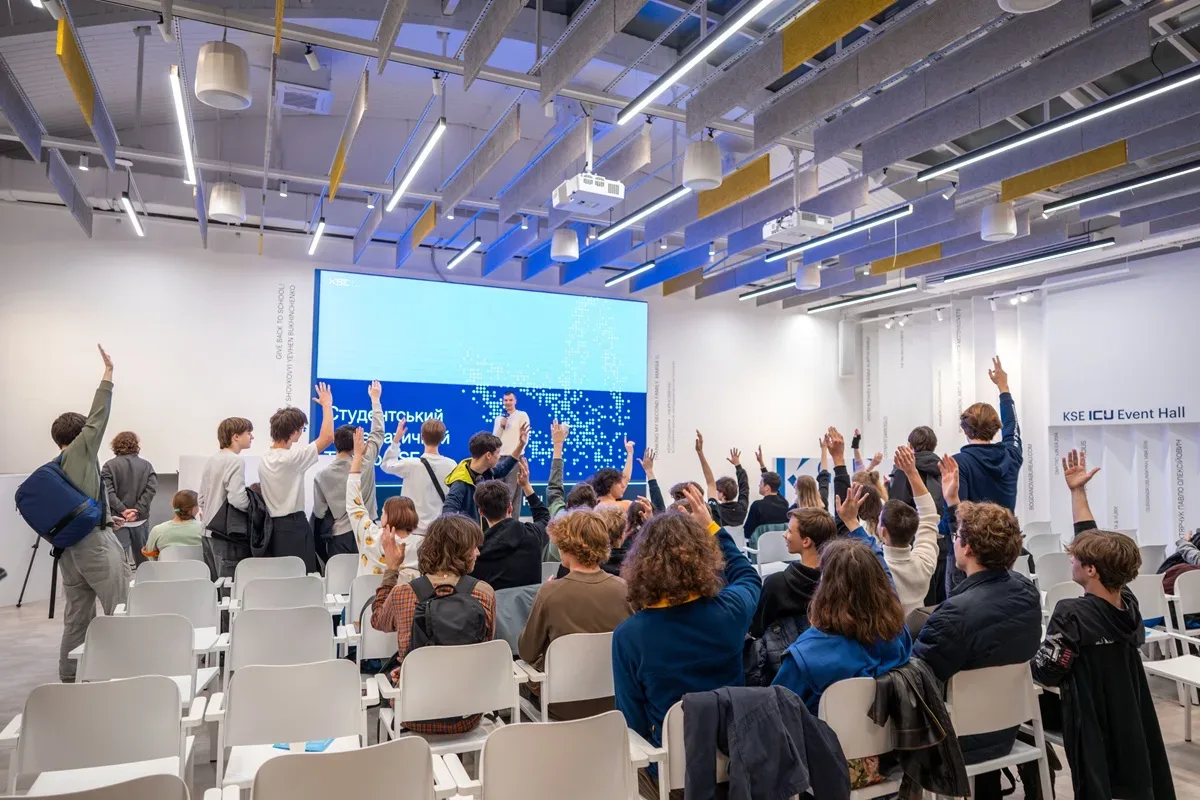
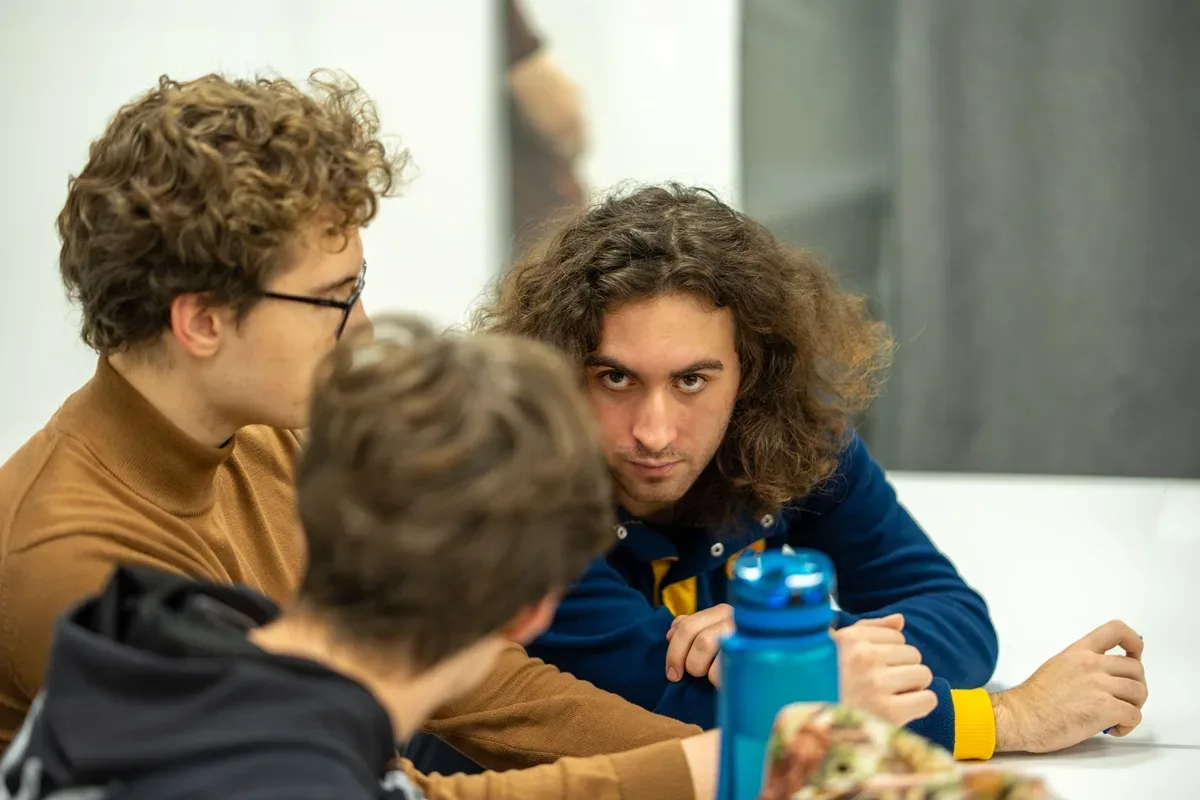
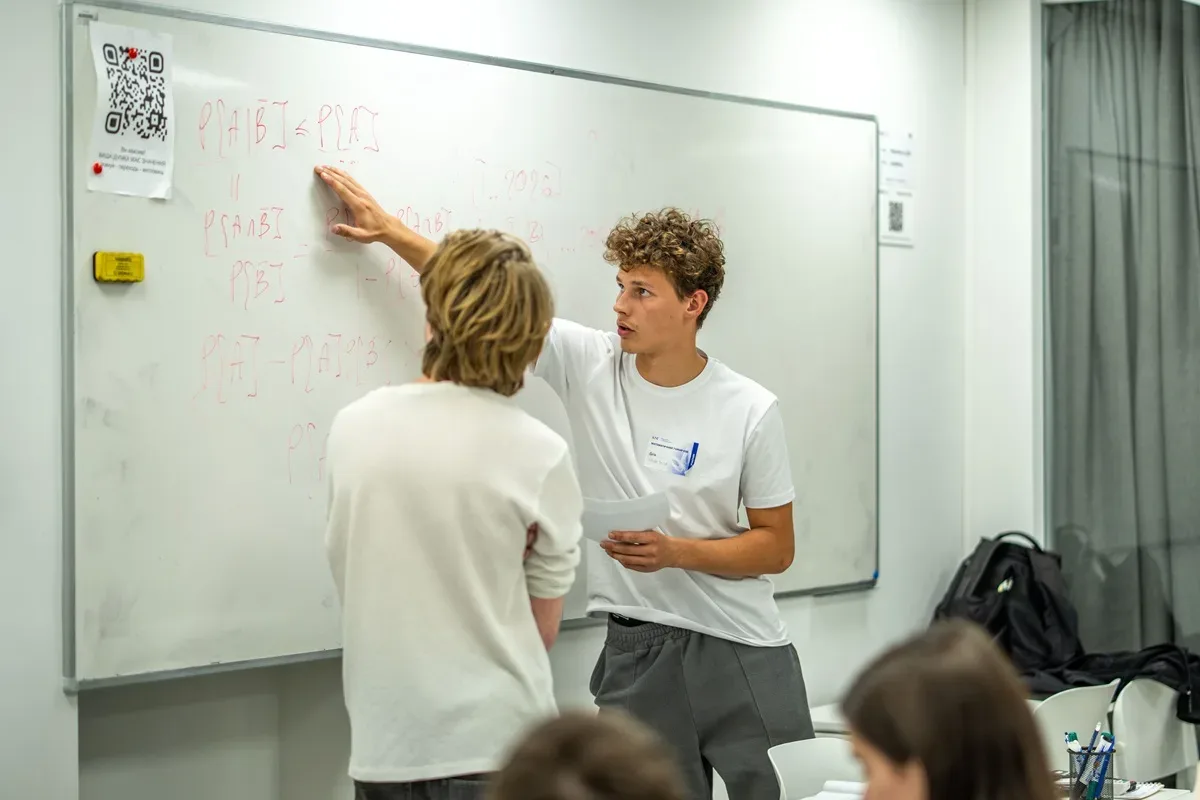
The students formed 13 teams of 3-6 participants. They solved challenging mathematical problems in a team battle format: presenting their own proofs, analysing their opponents’ solutions and defending their arguments.
For many participants, this was their third KSE University mathematics tournament. A community of students from different universities is forming around the Faculty of Mathematics: they keep coming back to work on difficult problems together, exchange approaches and develop mathematical thinking.
The competition went on despite external circumstances. During air raid alerts, teams moved to the shelter and continued solving problems. For participants who study online, the tournament was also a chance to meet in person. That is exactly why KSE is actively developing offline events like this, so that students can learn together and build a community.
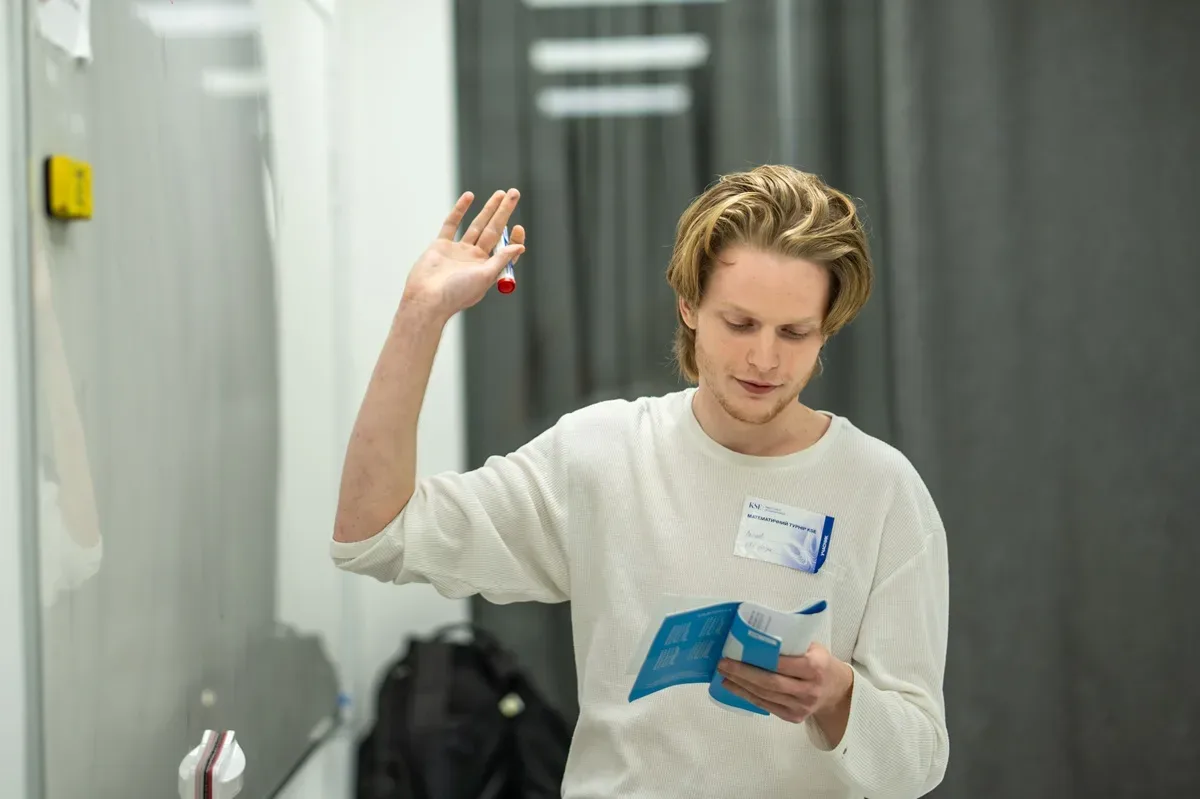
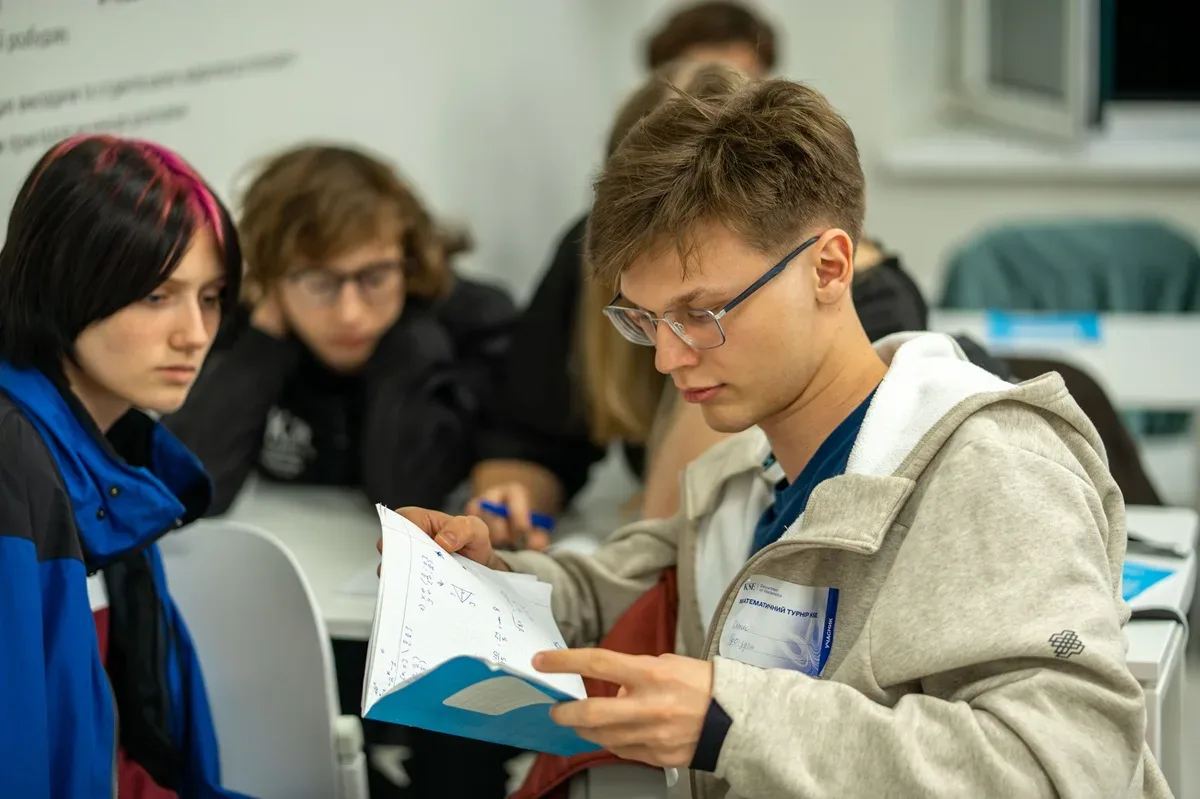
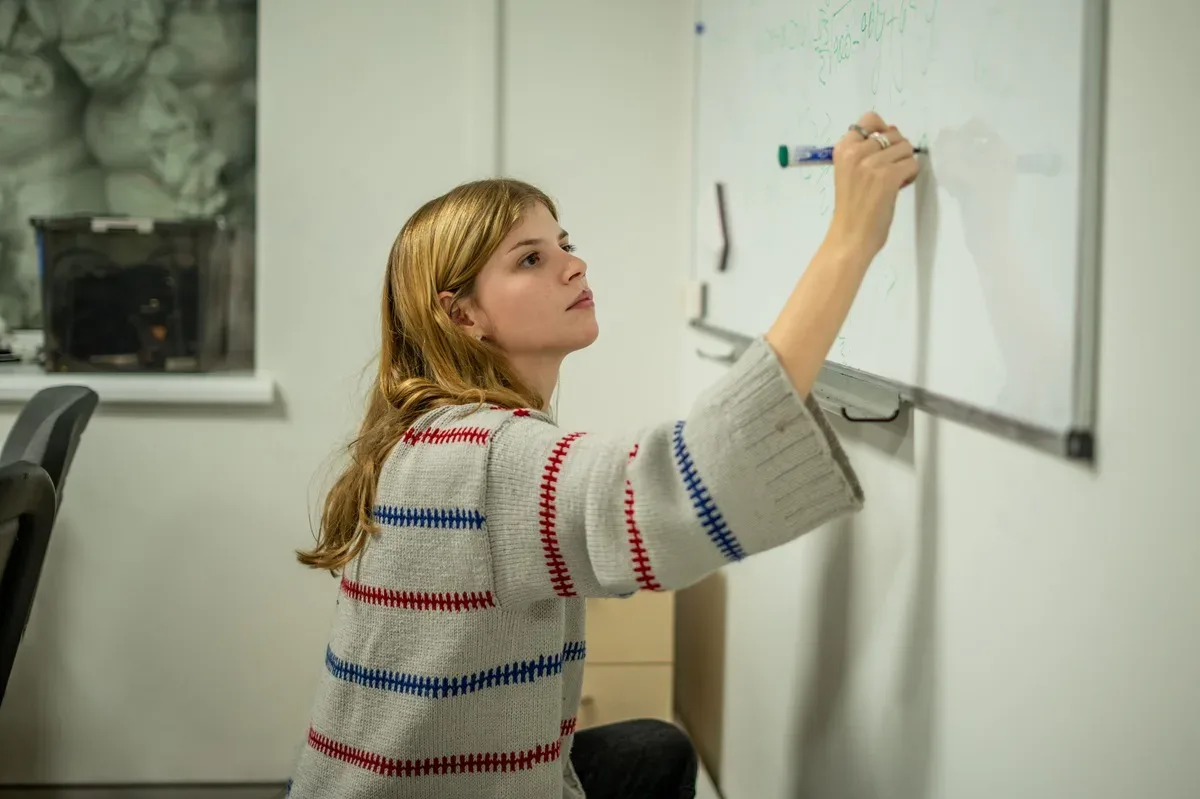
Mykhail Rubtsov, KSE University student
This is one of the few fields where you can do research with just a notebook and a pen, without any additional equipment. Tournaments like this are real mathematical excitement.
Oksana Duda, KSE University Applied Mathematics student
Here you are completely independent of the real world. What I like most is when you simply forget about the outside world, get absorbed in the problems and lose yourself in them. It is an incredible feeling.
Serhii Slobodianiuk, Candidate of Physical and Mathematical Sciences, Lecturer in Mathematics at KSE University
The problems here vary in difficulty. They are all olympiad problems, which means none of them is easy. Students test themselves on problems they have not seen before. It is important that they learn to work in teams: no one can solve 15 problems in four hours alone, but a team can.